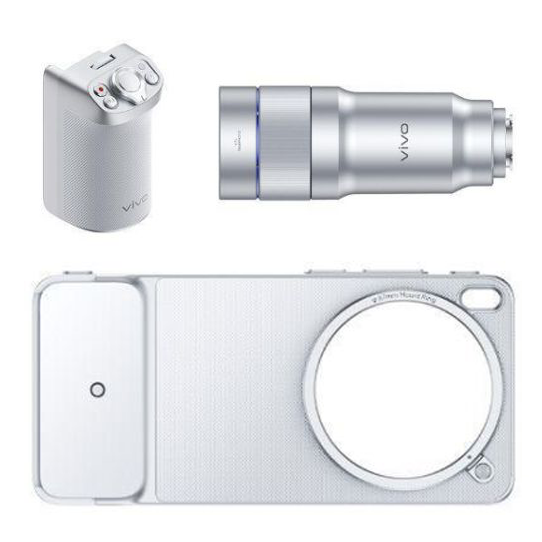
I first picked up a Samsung Galaxy Camera in a store 14 years ago. At the time, the device looked completely strange - a camera on one side, a simple Android phone on the other. A large lens, a sensor, separate control buttons, and the idea that one device could connect two worlds. At the time, it seemed more like an experiment than a real-world product (I'm looking at you, Sony QX1).
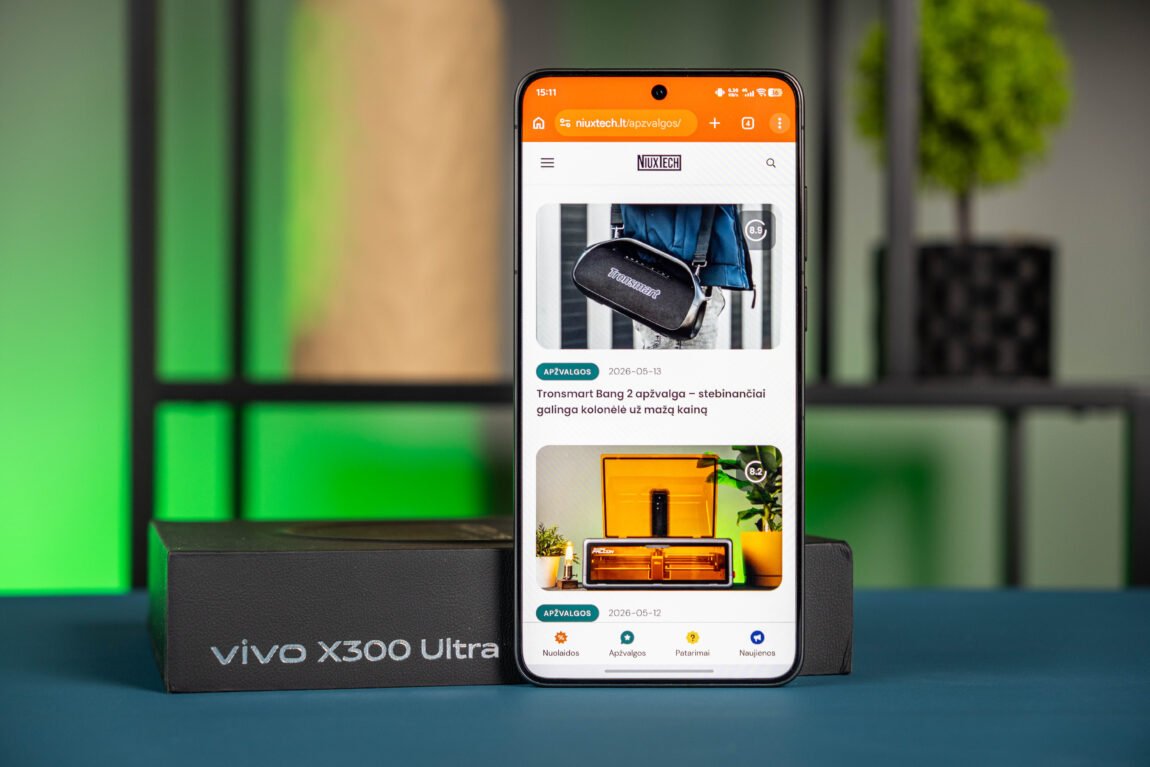
Vivo X300 Ultra phone
Assessment:
What did we like?
What didn't we like?
Today, those memories came flooding back as soon as I picked up the Vivo X300 Ultra. The feeling is strangely familiar - as if we've returned to the same idea again, only this time it finally seems grown up. This is a phone that doesn't just have a good camera, but is essentially designed around it, constantly reminding us of those early, somewhat too bold attempts to combine a phone and a camera. And then the question arises - what kind of device is this, and how far has such an idea progressed?
What's in the box and first impressions
It is important to mention that the model we have is intended for the Chinese market. The package is really complete here - phone, case, charger, USB cable, SIM ejector needle and a short instruction manual in Chinese.
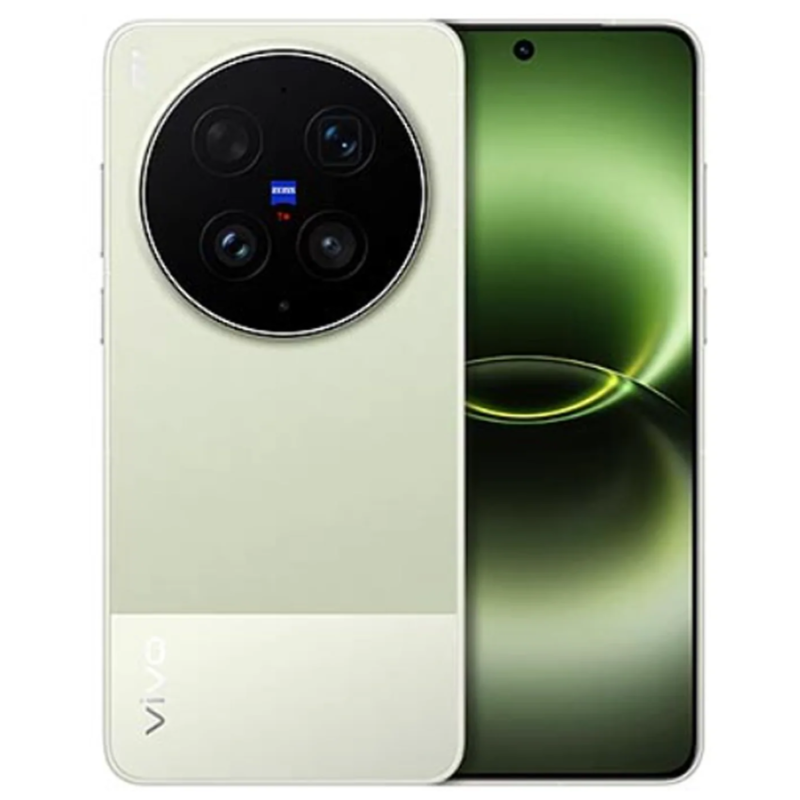
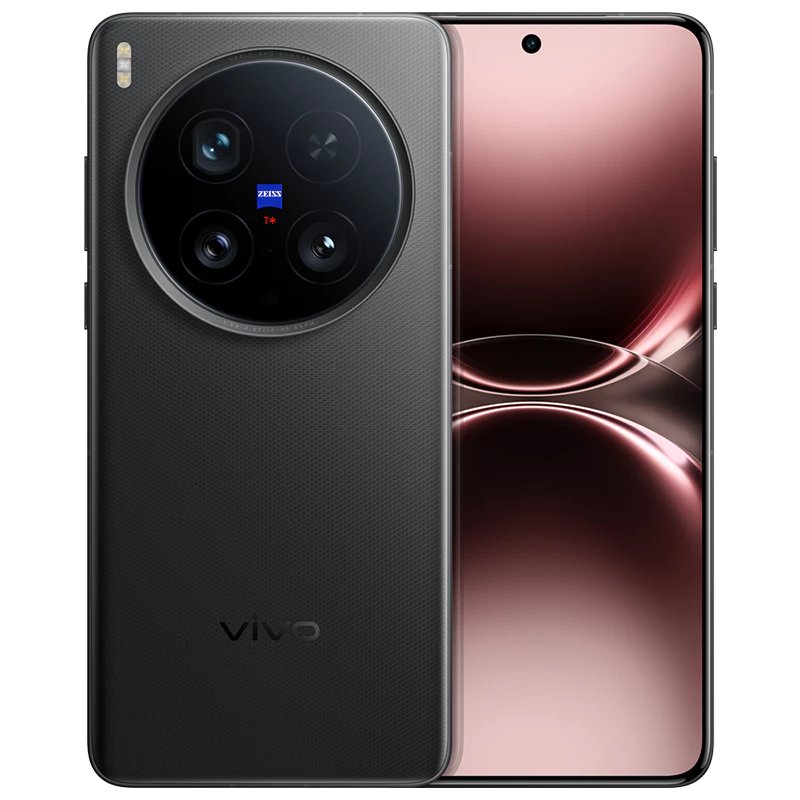
The first impression when you pick up the phone is that it's big and heavy. It immediately becomes clear that the entire design is focused on one thing - photography. The camera module is so massive that you can basically hold the phone by its back. However, this also has a downside - using the X300 Ultra with one hand is simply inconvenient. The natural holding position often ends with your finger resting on the camera unit.
There are no complaints about the build quality. The matte body is pleasant, the buttons are sturdy, and the pressing feeling is solid. However, with such an emphasis on photography, I would really like at least one dedicated camera button - I miss it very quickly.
Screen
The screen is one of those things that you get used to dangerously quickly (it's very hard to go back to your old iPhone). It's very bright, supports 10-bit color depth, HDR10+, and Dolby Vision content. The image looks very vibrant but not oversaturated - the colors are rich, but well balanced.
This is a 1-144Hz display, but it doesn't automatically go above 120Hz. 144Hz is only available with specially optimized apps or games that use frame interpolation. Most everyday apps and games only support up to 120Hz, but for normal use the difference should be negligible.
System and performance
The phone runs on OriginOS 6, based on Android 16. The system looks very clean, the animations are smooth, and the overall experience is fast and consistent. Inside, the Snapdragon 8 Elite Gen 5 works. Currently, the latter is considered one of the best and most powerful mobile processors. In everyday life, this means only one thing - the phone performs all tasks effortlessly. Apps open instantly, multitasking is smooth, and photo and video processing occurs without any glitches.
Battery
The X300 Ultra has a 6600 mAh battery. It's more than enough for me for 1.5 - 2 days, which includes social media, YouTube, photography and video recording. Admittedly, I'm not a heavy user, so this is just my personal observation.
A fully discharged phone can be charged in about 50 minutes. However, not with the original charger, as the latter would require an adapter for our sockets. Fast charging up to 100W and wireless charging up to 40W are supported.
Globalization
Since this Vivo X300 Ultra is a model for the Chinese market, out of the box it does not have the full Google ecosystem enabled, and has a number of system locations and apps adapted for China. However, globalizing is not difficult. I myself watched a 14-minute YouTube video about the globalization of this phone, and after 20 minutes the phone was ready.
After enabling Google basic service management and installing Google Play, the entire main Android ecosystem practically starts working without any major problems. Android Auto works, but only with a cable (it may depend on the car or phone problems). I also configured NFC payments with Google Wallet and Revolut card without any complicated steps, and push notifications from apps such as Messenger are received.
Although everything works stably, from time to time I notice some Chinese remnants. For example, system help pages or menus that were not fully translated. These are small things and I have no doubt that if I deleted all Chinese apps, such cases would be rare.
Photography
There's a lot to talk about with the X300 Ultra, but ultimately it's all about the cameras. This is where Vivo has put the most emphasis, and this is where the phone tries to show what a rare flagship can do. In short, the phone has a 200MP 35mm main camera, a 200MP telephoto camera (85mm or 3.7x zoom), and a 50MP 14mm wide-angle camera.
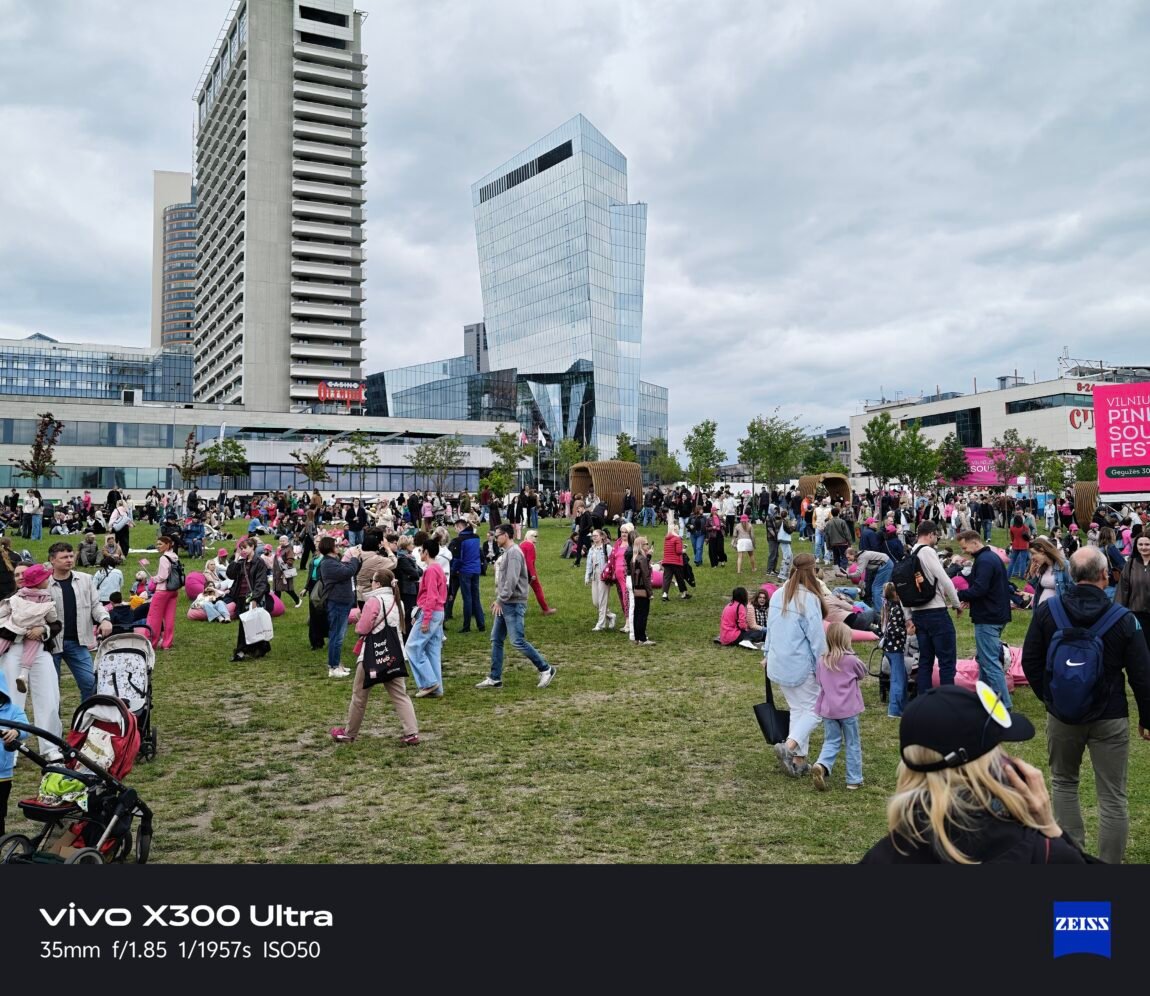
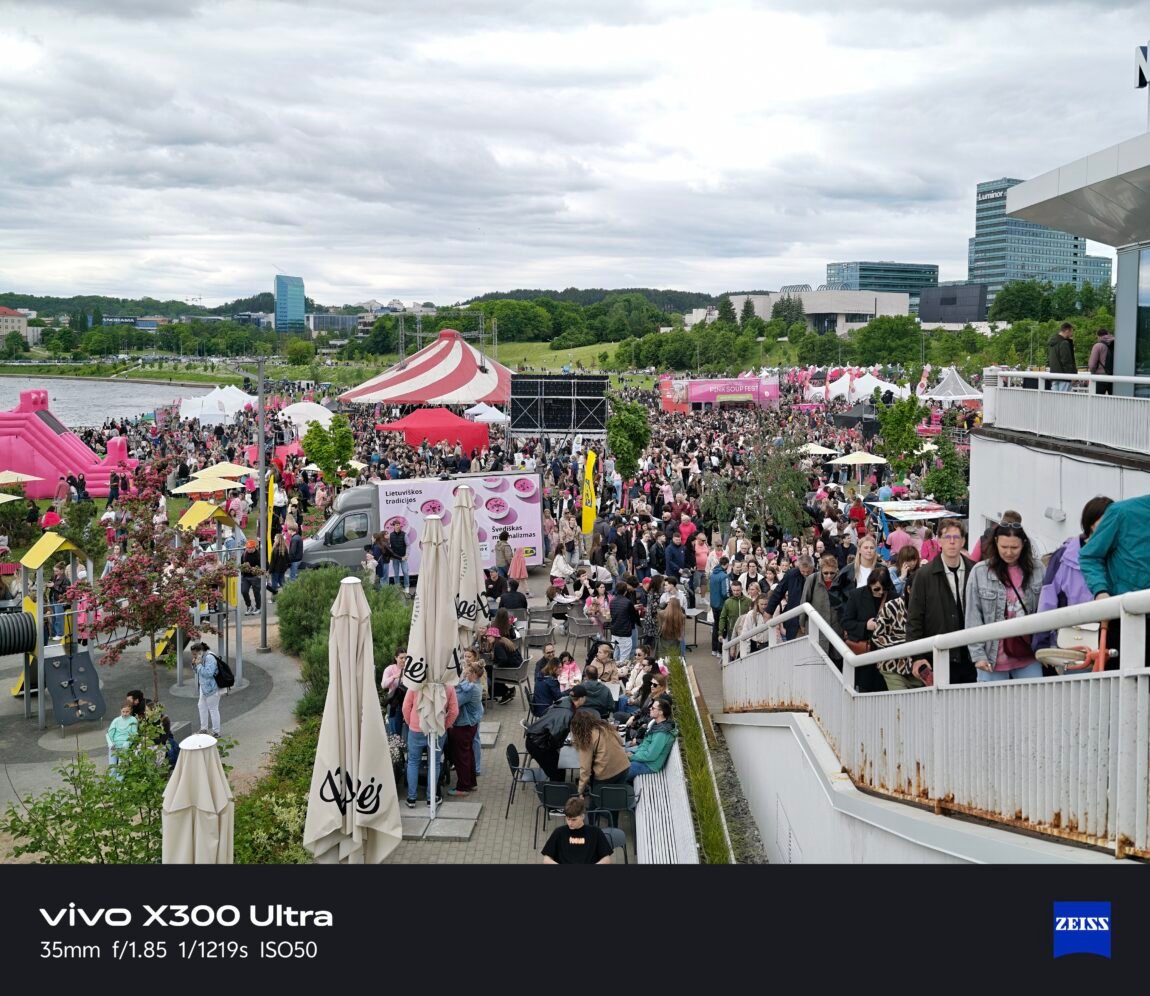
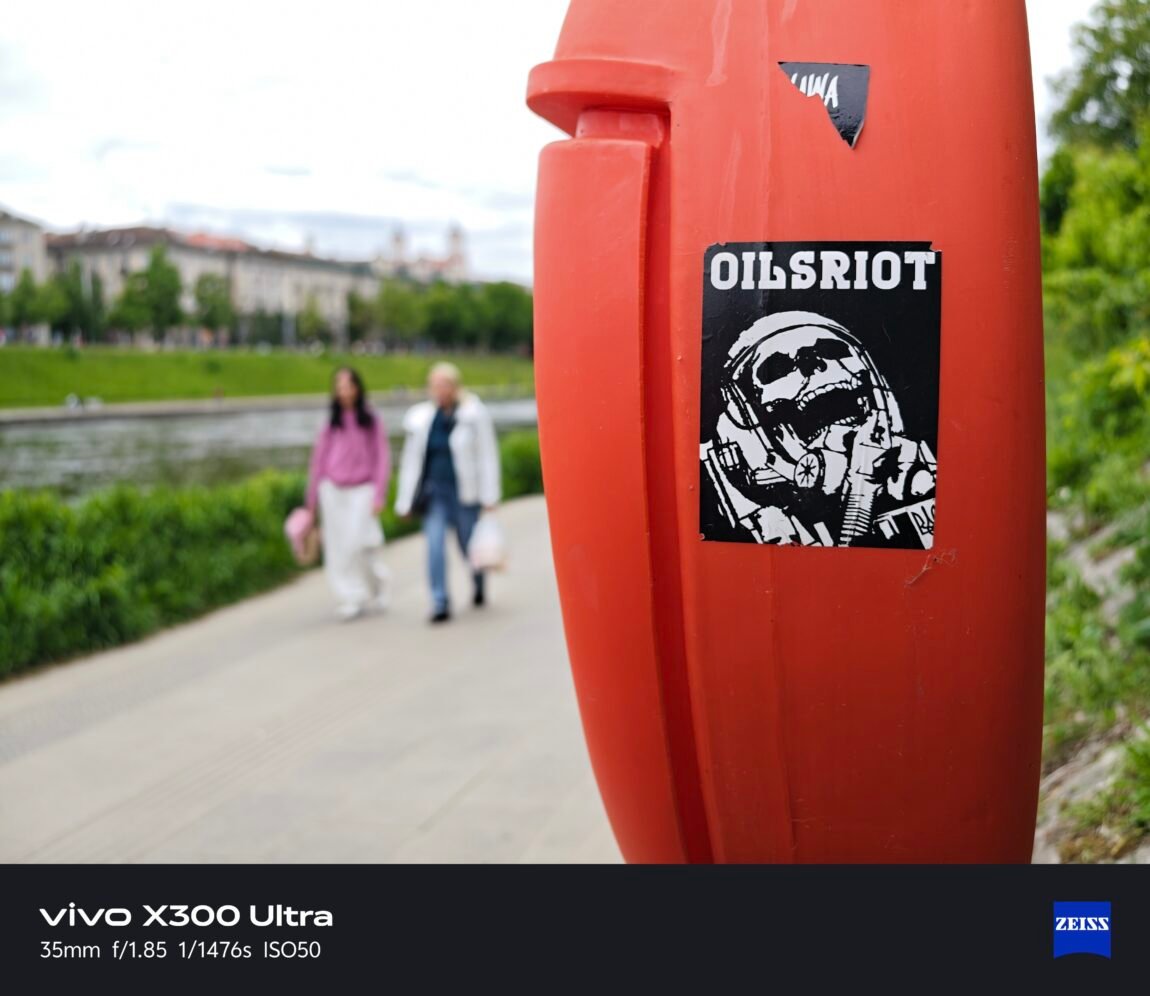
As soon as you turn on the main camera, it becomes clear that something is different here. Most phones today use an angle of view of about 24-28mm, so 35mm looks unusually natural. It is not for nothing that this focal length has been one of the favorites among street and documentary photography enthusiasts for many years - the image is less distorted, closer to how we see the scene with our eyes. It is this naturalness that very quickly becomes the main trump card of the X300 Ultra.
Everyday photos
During the day, all three cameras make a very strong impression. The photos are bright and contrasting, and the dynamic range remains very well controlled. What I liked most was that even in more complex scenes, the colors remain stable and not overloaded.
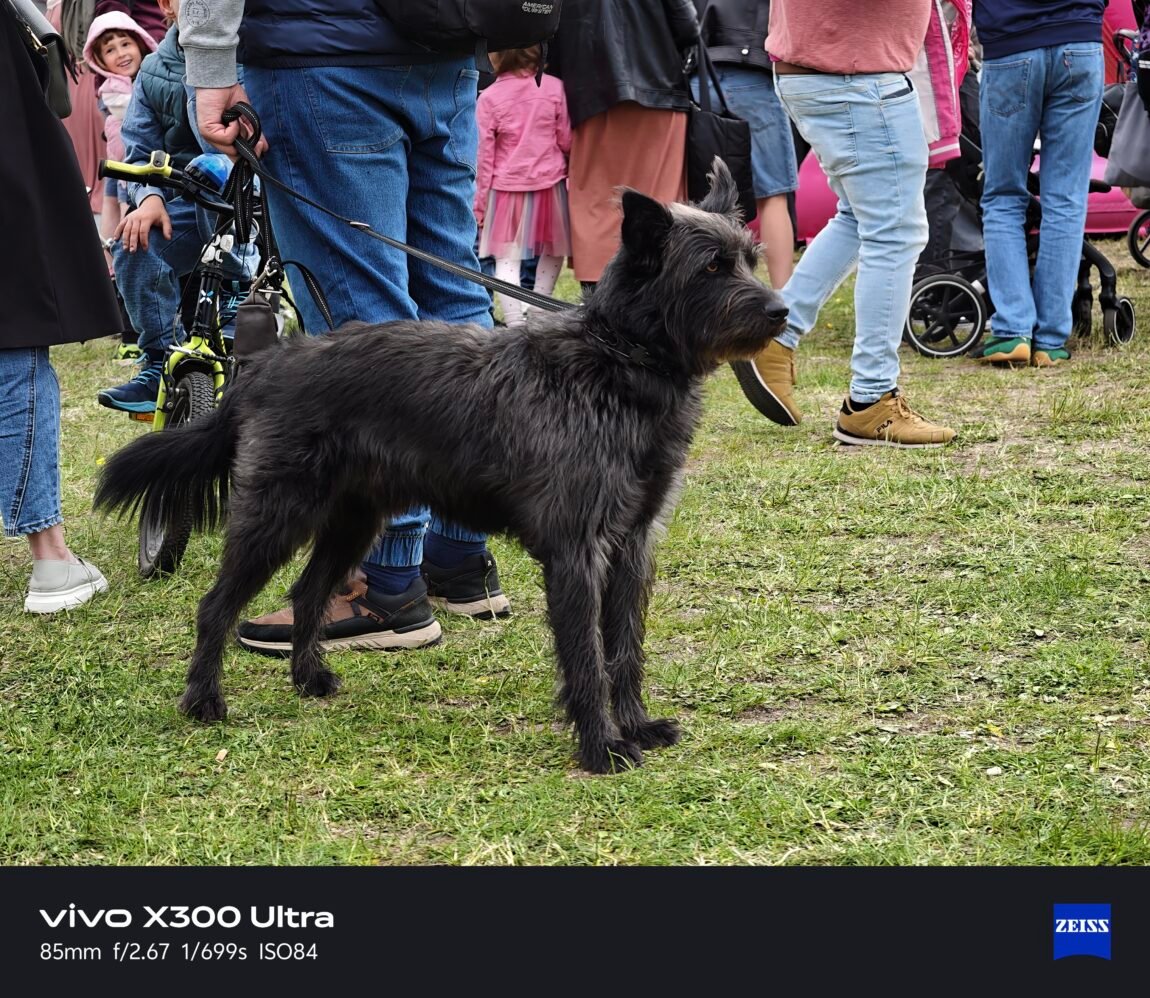
The main and telephoto cameras do a particularly good job of separating the subject from the background. Even in standard mode, there is a natural-looking blur, making many shots look like they were taken with a more serious camera.
The default setting is 12.5MP, and in my opinion, this mode has the best balance between detail, sharpness, and noise control. Of course, you can also choose 25, 50, or even 200MP modes, but they are more useful in specific situations where you want extra detail when zooming in on a photo.
The wide-angle camera doesn't disappoint either. The photos are bright, detailed, with a wide dynamic range and good colors. True, the sharpness here is a little less than in the main or telephoto camera, especially at the edges of the photos. However, the overall result remains very strong.
I also liked the fact that you can switch from 14mm to 28mm mode with a single click. Technically, it's just digital zoom, but in practice, this intermediate angle is very useful when photographing architecture or groups of people.


Portrait photos
Portrait mode is one of the few areas where I have more complaints. Whether shooting in 35mm or 85mm mode, photos often look a bit over-processed. Even with AI facial beautification completely turned off, skin smoothing and more aggressive softening of photos are still noticeable.
Paradoxically, I usually get better results just by shooting in standard mode. The natural sensor blur looks more realistic, and faces retain more texture and character.
Telephoto photos
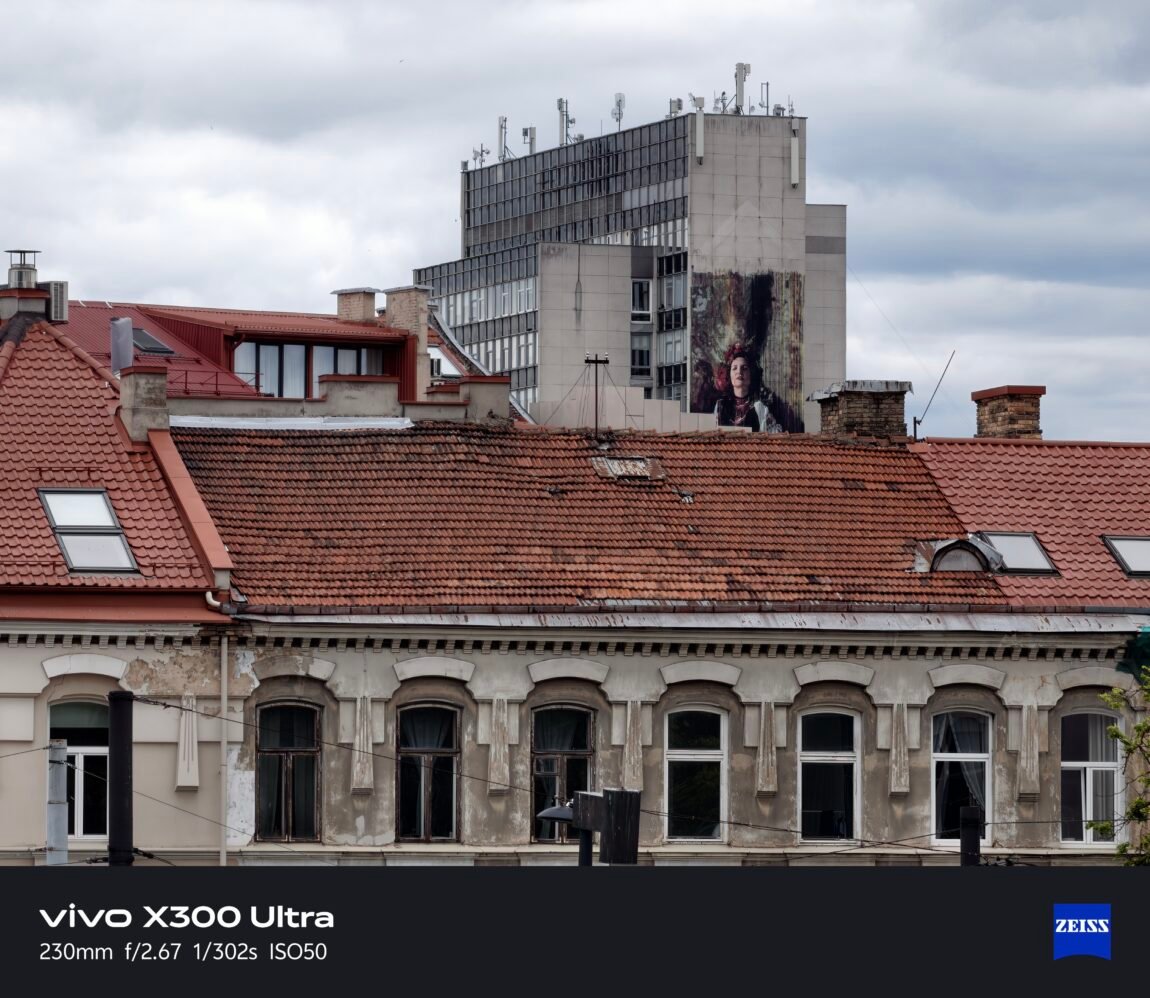
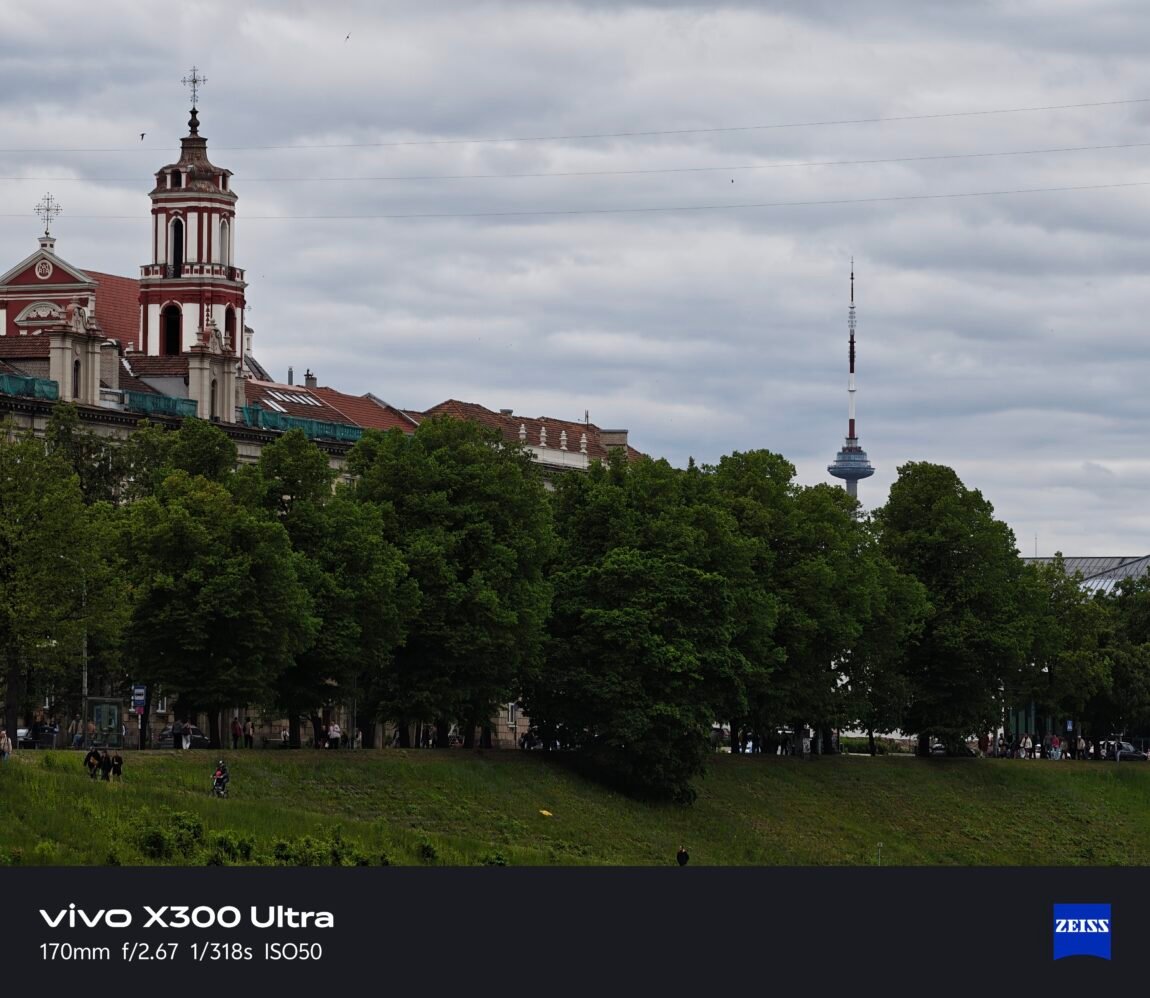
The telephoto camera is the real highlight of this phone. Portraits, shots of various objects, or even macro shots taken with it look simply fantastic. The photos are bright, contrasting, with a very nice background blur. This is where the X300 Ultra usually starts to resemble a real camera rather than a phone.
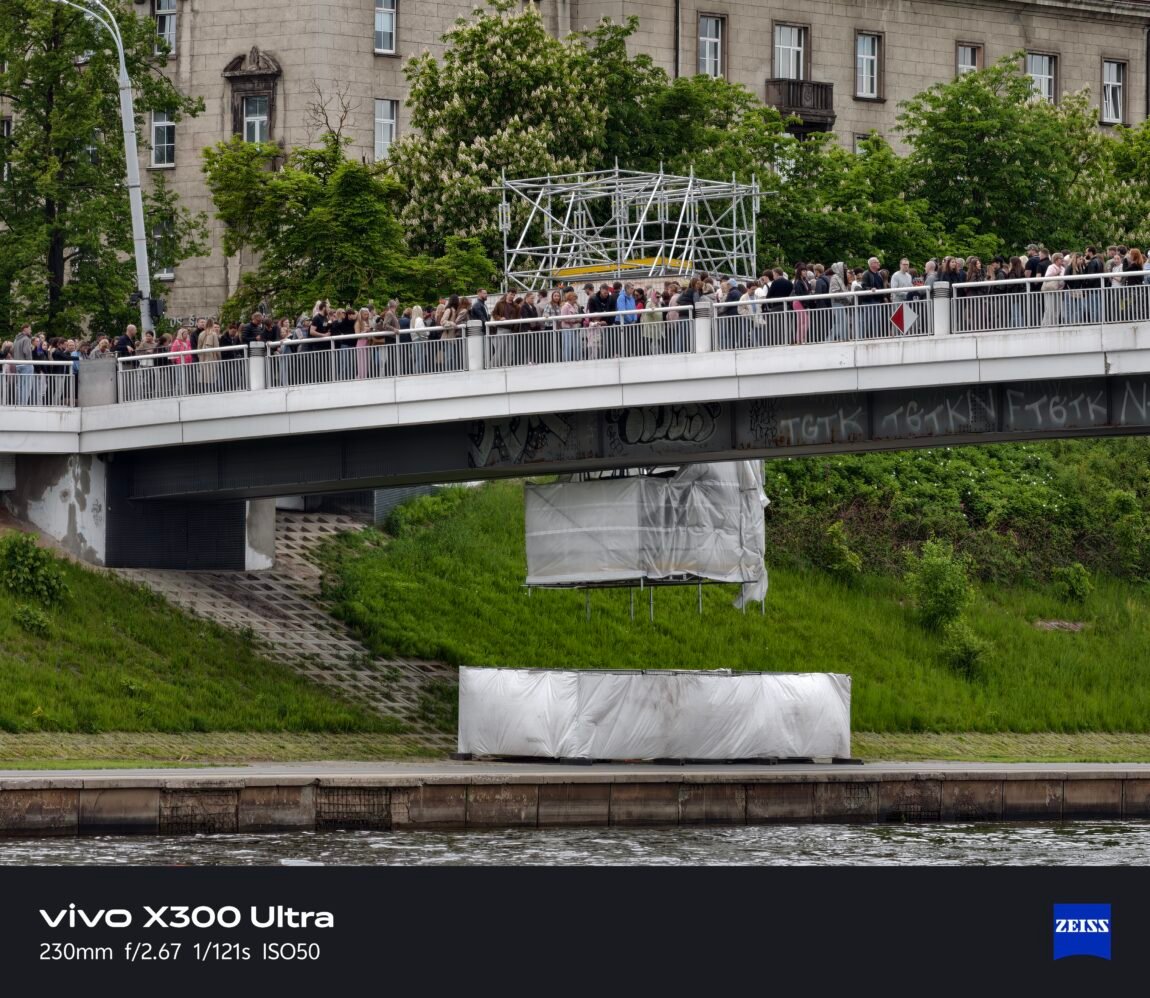
What surprised me the most was that after a few hundred shots I stopped being afraid of digital zoom altogether. Even when shooting at 170mm or 230mm, the detail remains surprisingly good. Of course, ideal lighting remains relatively important, but the results often far exceed what I would expect from a phone.
Macro photos
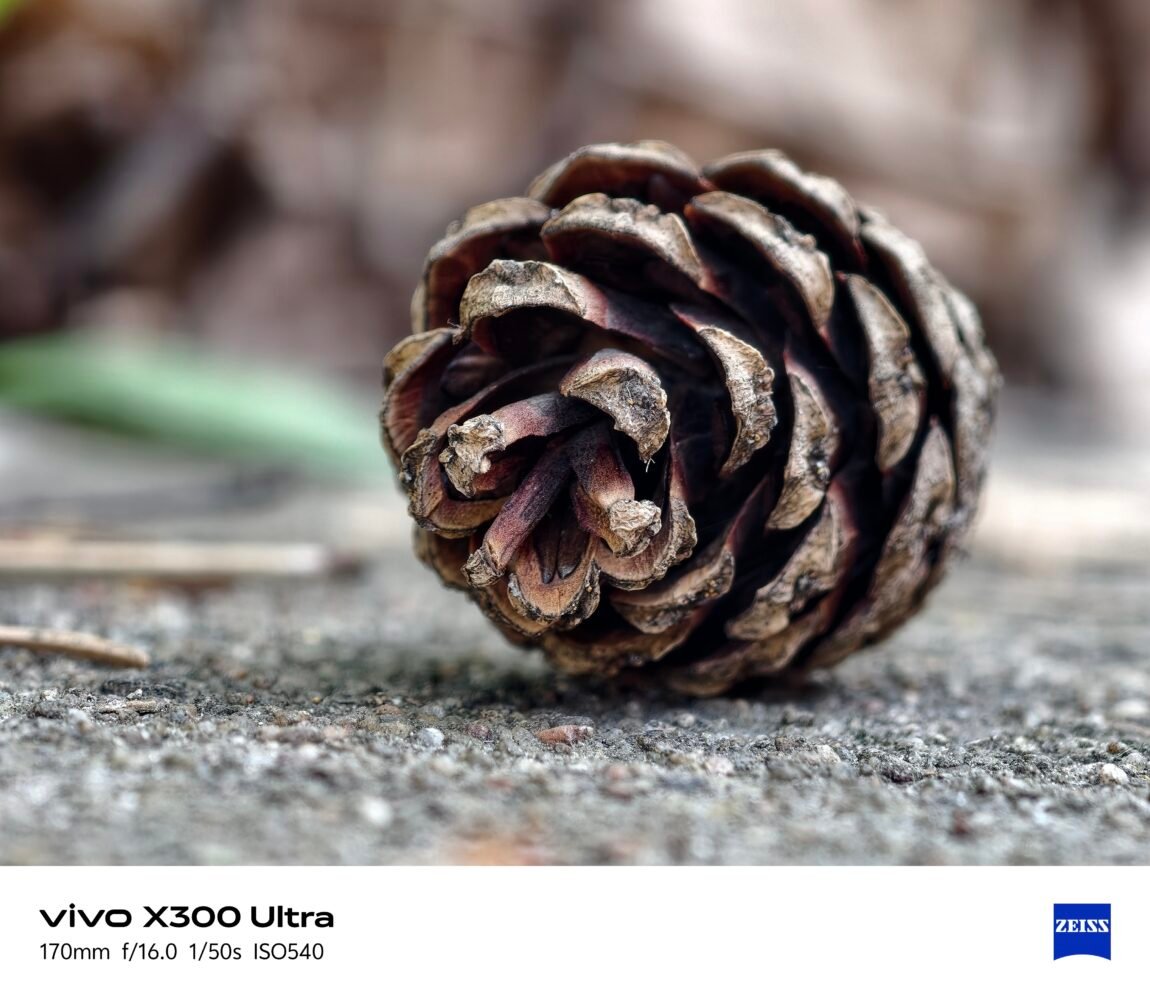
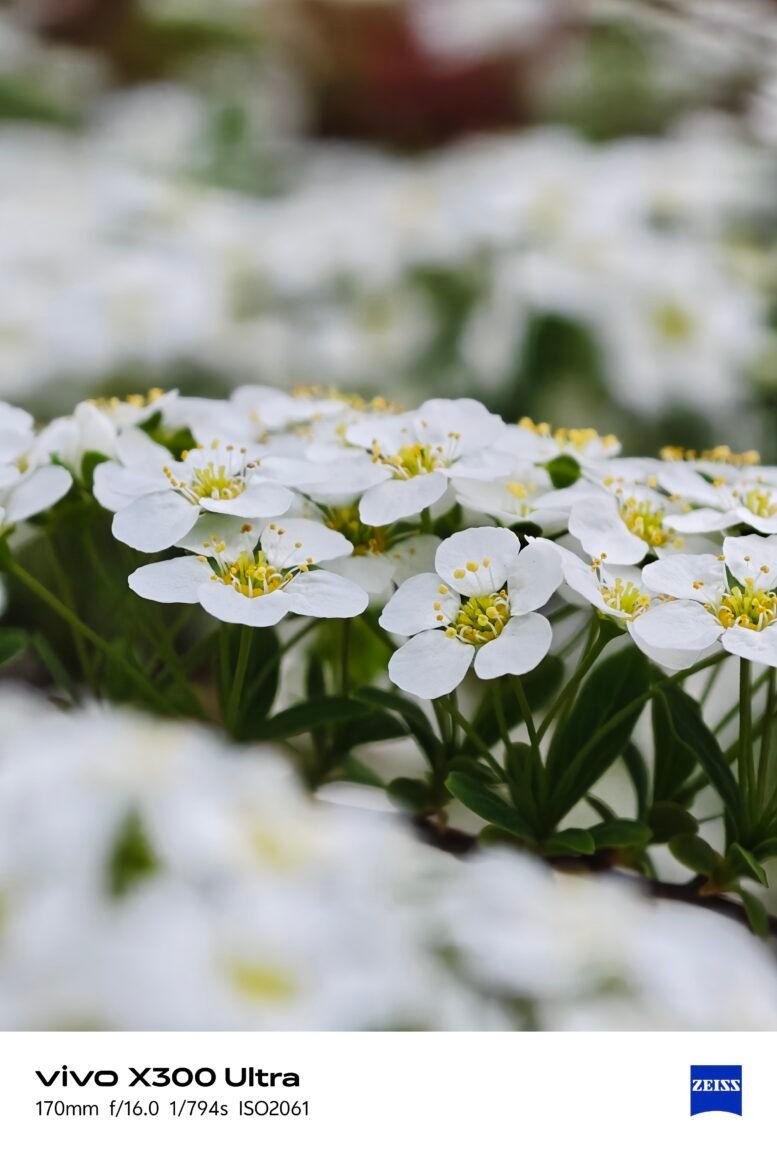
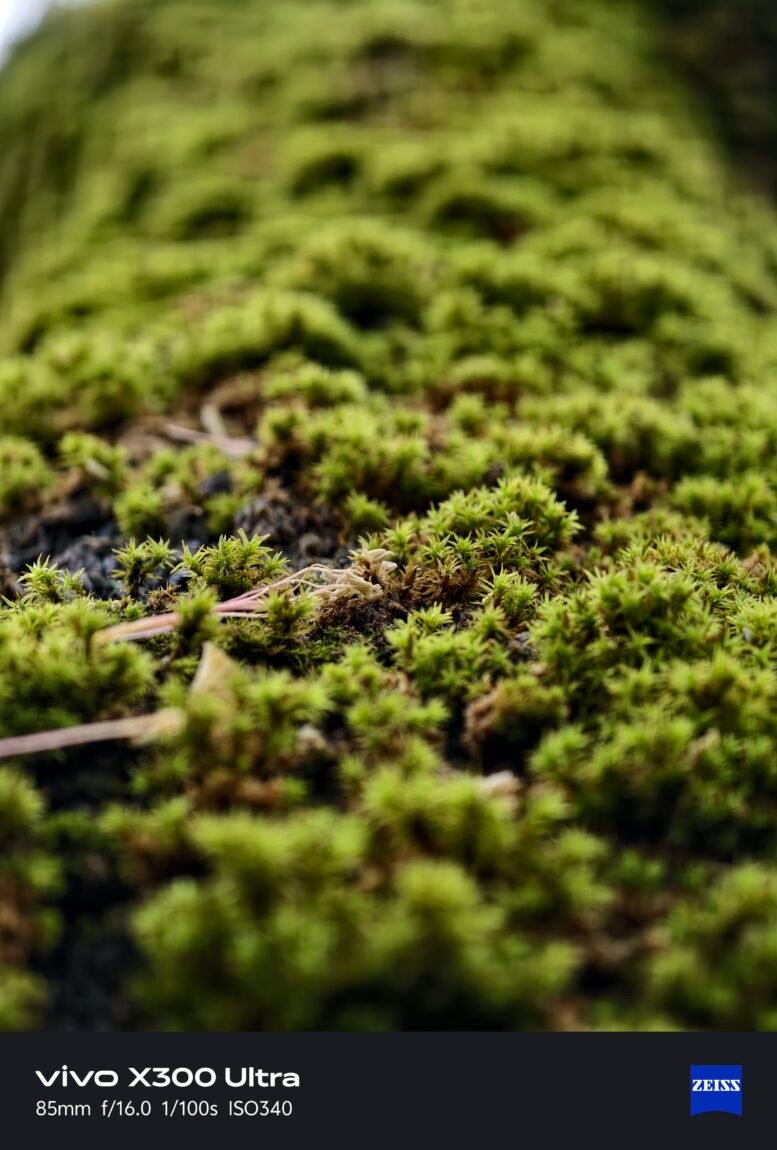
Macro photography is always one of the most fun areas of phone testing, as it allows you to see the world that we simply don't notice every day. The X300 Ultra is very suitable for this - the telephoto camera can focus from a distance of about 15 cm, so it's easy to get very close and interesting shots. When photographing flowers, various textures or small objects, you quickly see how much detail this system is able to capture. The stabilization also contributes to the good result, which allows you to maintain a sharp image even when shooting handheld.
It is true that focusing can sometimes be a bit fickle when shooting very small subjects. The camera likes to „hunt“ for focus, especially if the subject is moving or the lighting is not ideal. In such situations, you have to take more shots before you manage to get a precisely focused photo. However, when everything works out, the results look really impressive and in some cases even resemble the work of a separate macro lens.




Photos in the dark
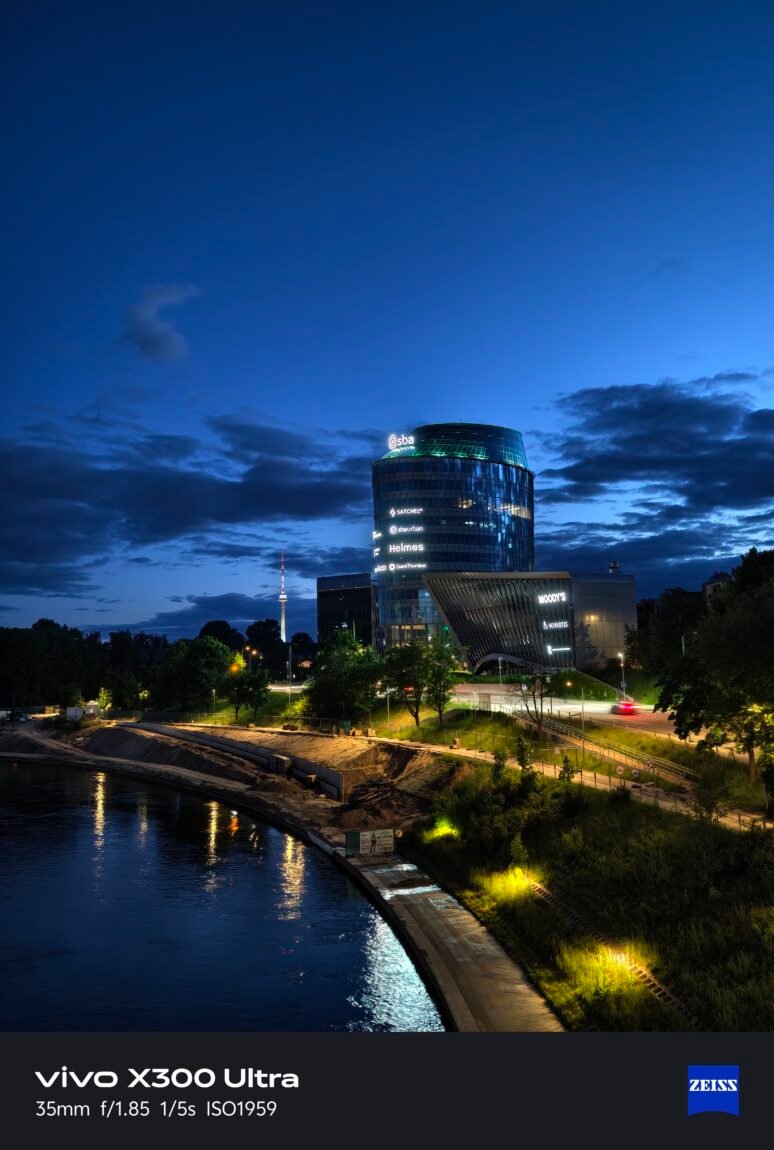
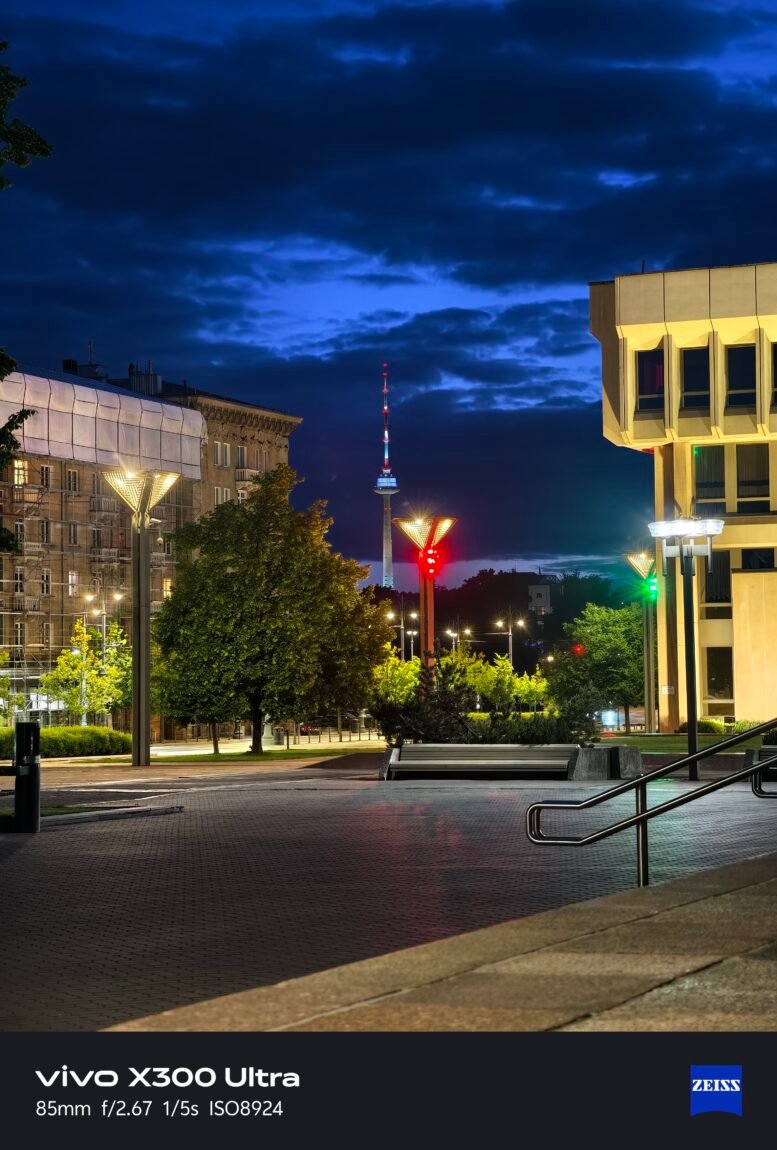
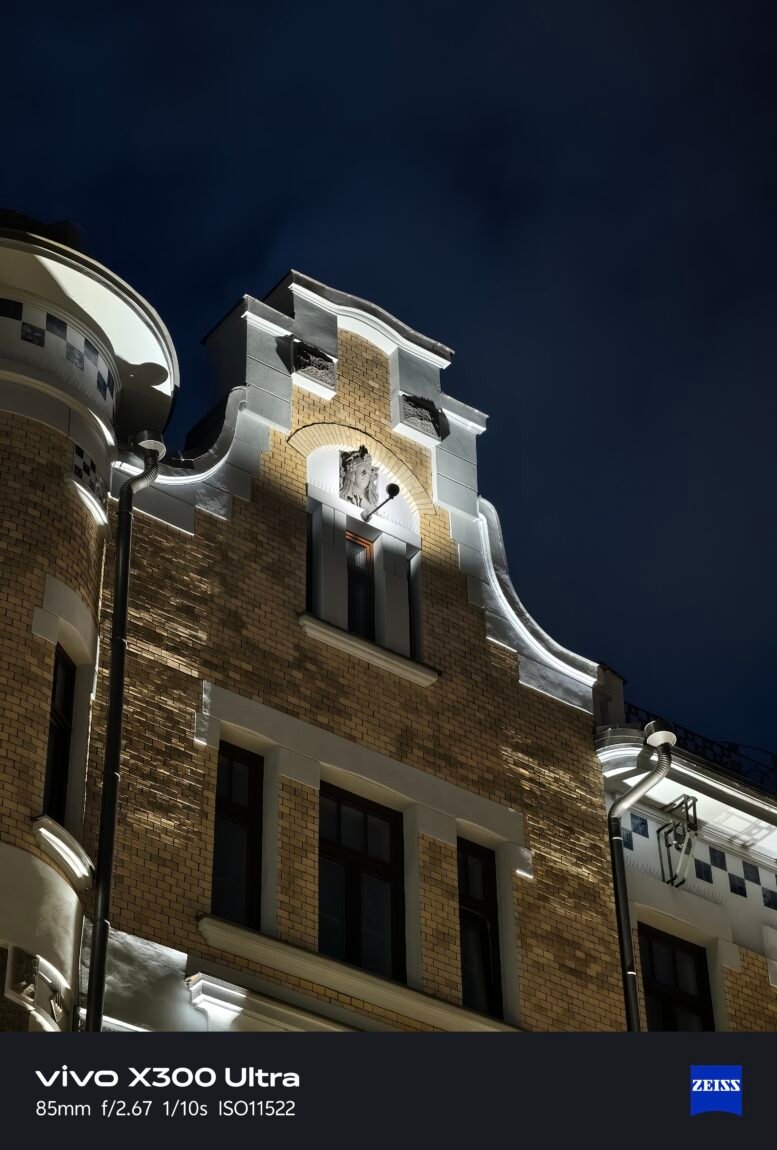
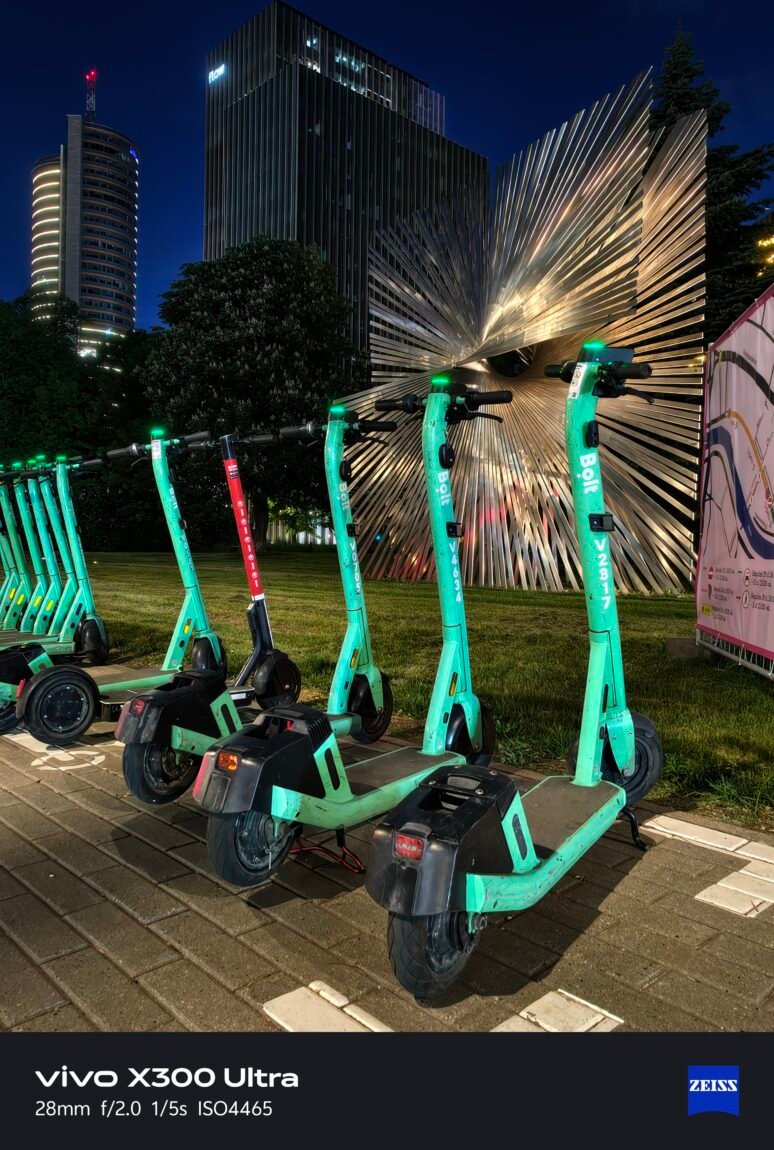
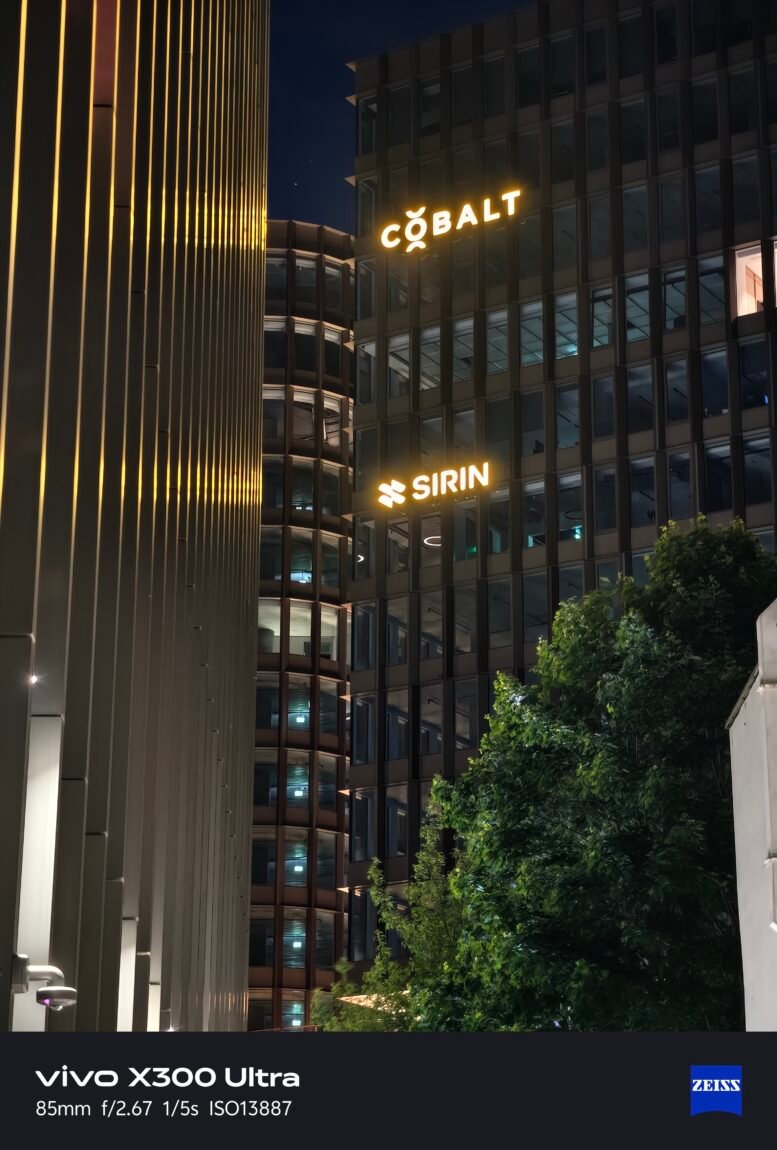
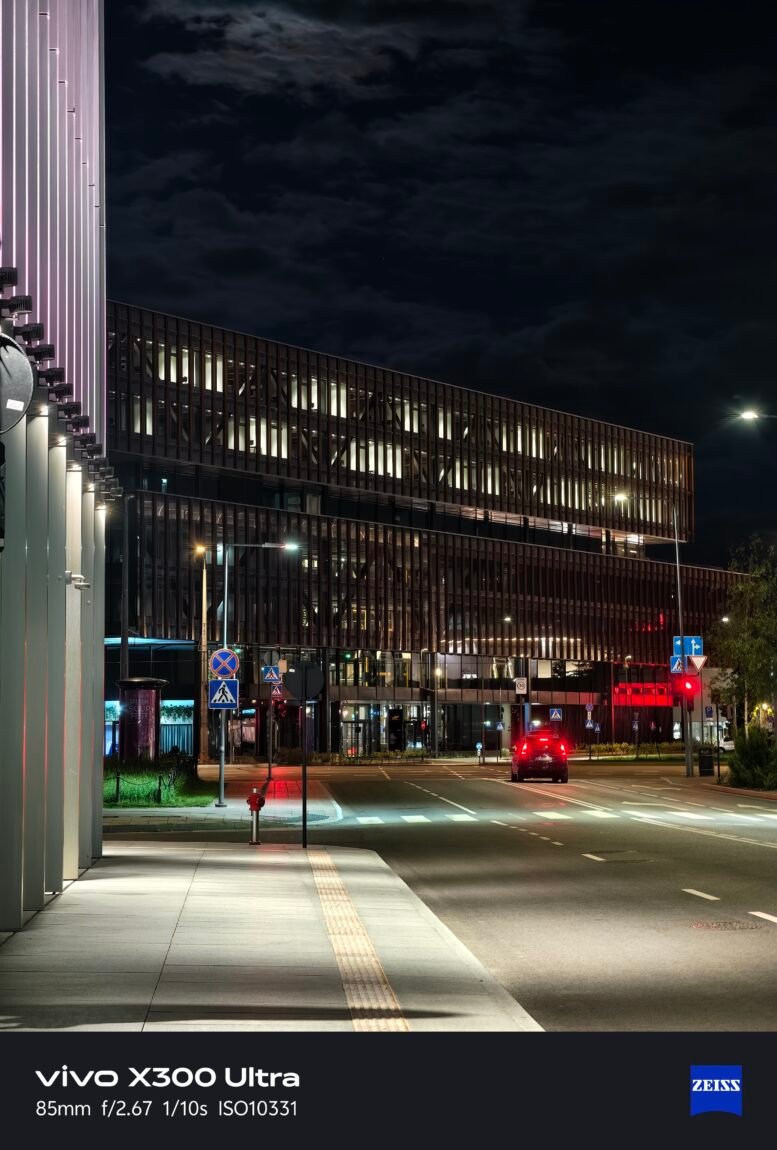
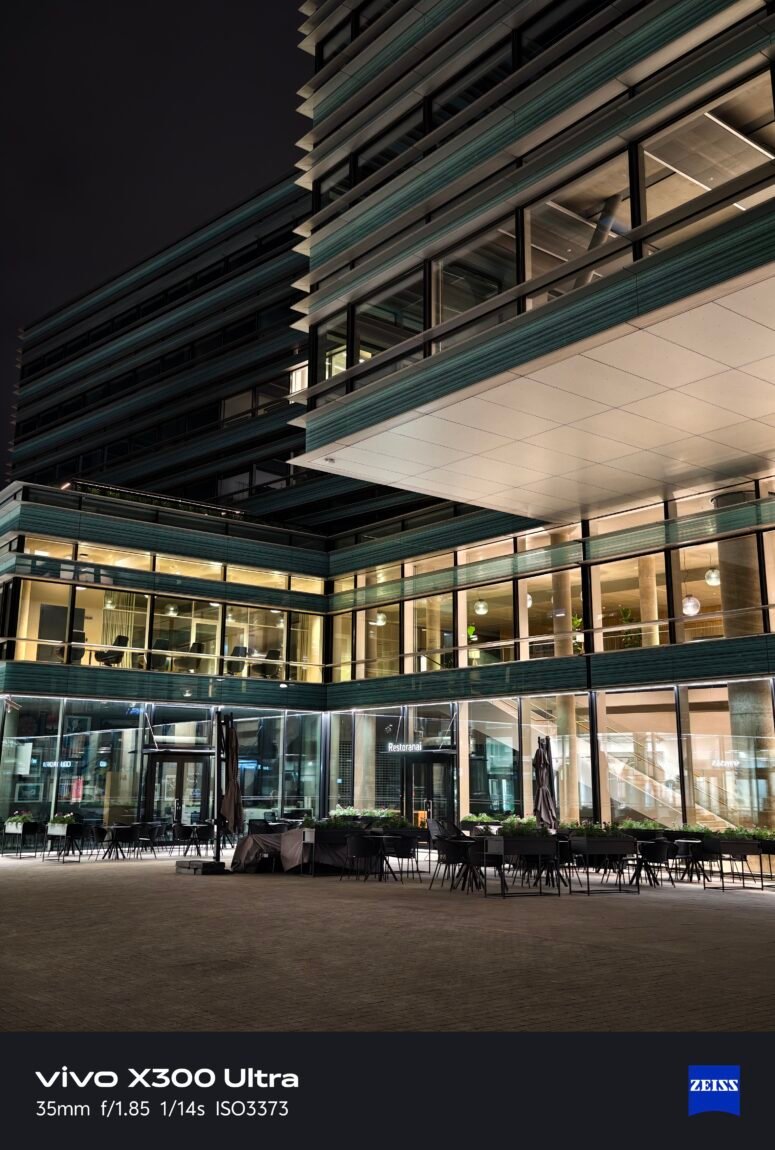
In low-light conditions, the X300 Ultra once again shows why this phone is so heavily focused on photography. The main camera produces very bright and detailed photos at night, which maintain a good dynamic range and cope well with complex light sources. Neon signs, street lights or bright windows usually do not look "burned out", and in darker areas there is still a lot of detail. I also really liked the color balance - the phone does not try to aggressively turn everything into day, so the photos retain a more natural evening atmosphere.
The telephoto camera impressed me the most in the dark. Most phones start to aggressively use higher noise reduction in low light, but the X300 Ultra retains very good detail even when zoomed in. Photos are bright, contrast is nice, and white balance is mostly very accurate.


Front camera
The front camera isn't the main highlight here, but it's still a solid 50 MP sensor that allows you to get very detailed and bright selfies. Skin tones look natural in photos, HDR handles more complex lighting well, and the overall level of detail is high. This camera will definitely be enough for everyone for selfies.
Photo processing and AI
However, not everything is perfect here. I would say that too often you feel more aggressive photo processing and a strong reliance on artificial intelligence algorithms. In many situations, this helps to obtain a brighter and more visually appealing result, but in more complex scenes the system sometimes goes too far. Small details become too "cleaned up", textures lose their naturalness, and some photos begin to resemble a painting painted in oil.
I mostly noticed this when zooming in on photos or taking pictures of people in low light. Skin sometimes becomes too smooth, small details get blurred, and the shot itself loses some of its natural character. Fortunately, this isn't a permanent problem and most photos look really great, but in certain situations I would have liked a little less aggressive processing and a more natural look.
Videos
In the video area, the vivo X300 Ultra left a pretty good impression, although the phone didn't impress me as much as it did when taking photos. The specifications look good - it supports 4K 120fps shooting, Dolby Vision, various professional modes, and if desired, you can even shoot in 8K resolution. However, 8K only works in 30fps mode, so naturally I usually wanted to choose 4K 60fps. It is in this mode that the image looks the smoothest and is simply the most convenient for everyday use.
The video quality itself is really good. The colors are vivid, the image is contrasty, and the stabilization works very confidently - even when moving or filming handheld, the frames remain stable and pleasing to the eye. The front camera can also record in 4K resolution, and the result is clean and stable enough, making it suitable for both video calls and "vlog"-type content.
It's true that not everything is perfect everywhere. When you zoom in, finer details sometimes start to be missing, and in more complex scenes the phone likes to over-process the image. At times, textures look softer than you'd like, especially when filming in the dark. However, the overall result remains very strong and for most people this phone's video capabilities will be more than enough.
Additional observations about photography
One thing I quickly realized while using the Vivo X300 Ultra is that it gives the user almost complete control. It's full of different shooting modes, color profiles, manual settings, background blur options, and other small options that most people will probably never use. On the one hand, it's a lot of fun, because the phone allows you to "play" with photography and adapt the camera to your needs. Some settings or functions can even be moved to easier-to-reach places, so the whole system becomes more convenient over time.
However, it can all seem a bit confusing at first. Sometimes it feels like Vivo has packed everything they could think of into the camera app. Some features are only available in some places, but not in others. For example, I would probably intuitively look for the super moon mode in the photo mode, but I only find it when I select the Landscape and Night mode. There are many such small moments here.
However, after a while I get used to the system and I really appreciate how many options it actually provides. This is not just a camera that does everything for me with one button (although it can) - Vivo clearly wants the user to experiment and find the settings they like.
Verdict
Vivo X300 Ultra is a phone that, as soon as you pick it up, becomes clear what it is for. In terms of all parameters and performance, it is a real flagship. In everyday use, there are practically no glitches, and even the „globalized“ version for the Chinese market works like a full-fledged device. It becomes clear very quickly that this is a phone built around the camera system, and this is felt at every step of use.
This phone simply shines in photography. The photos are of excellent quality, and the telephoto camera is a real highlight of the X300 Ultra. The biggest drawback is the photo processing, which in certain situations goes too far and reduces naturalness. However, overall, this is one of the strongest phones in its class, especially if photography is a priority.