
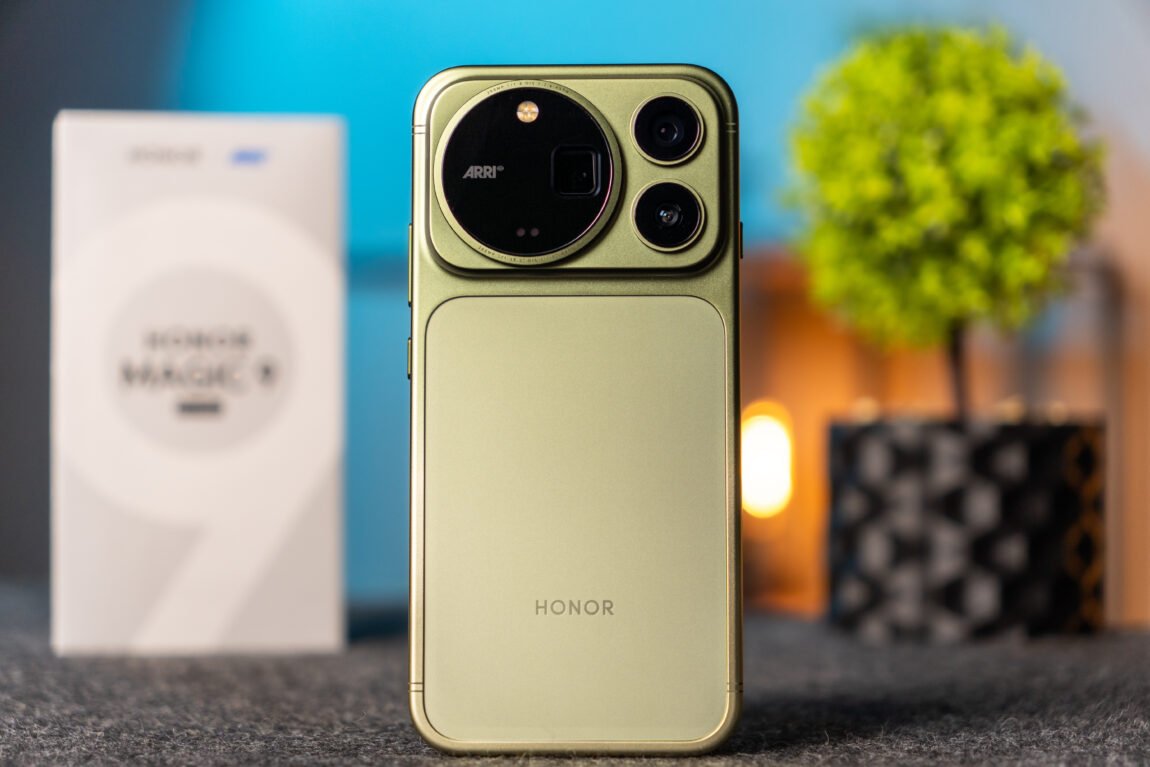
Not the fastest processor, the best-looking screen or the longest-lasting battery are the trump cards of competitive phone manufacturers. You probably notice, like me, that in recent years it is the cameras that have received the most attention and comparisons. Increasingly frequent cooperation with manufacturers of optics, cameras or camcorders allows you to stand out and offer something unique. One such example is the recently tested Oppo Find X9 Ultra. The partnership with Hasselblad allowed for unique and beautiful colors, which is why even today this phone remains one of the most memorable.
HONOR Magic9 Pro Max
Assessment:
What did we like?
What didn't we like?
Now on my desk lies the new HONOR Magic9 Pro Max smartphone. Its manufacturer has shaken hands with Hollywood's favorite ARRI - a manufacturer of professional video cameras. This is the first phone I've tried, the partnership of which is more focused not on photography, but on video production. But what benefits can I get from this? Maybe just by filming with this phone I could become a famous producer? And in general, what kind of phone is this? Let's look at it together in this review.
Unpacking
We have the Chinese version of the phone in our hands (the European version is planned for January 2027, and the HK Global version has already been released). What's inside the box? I invite you to watch this video:
Design and build quality
I'm used to it and probably don't expect anything else from modern flagships - the screen is bright, the colors are not oversaturated, the edges are very thin, and the front camera has a small cutout. Considering that next to the latter there is also a 3D facial recognition system with infrared and depth sensors. By the way, this is the first phone I've tested on which the manufacturer did not stick a protective film at the factory. On the other hand, in the manufacturer's promotional video, they tried to scratch this screen with an angle grinder, so maybe nothing will happen after the tests?
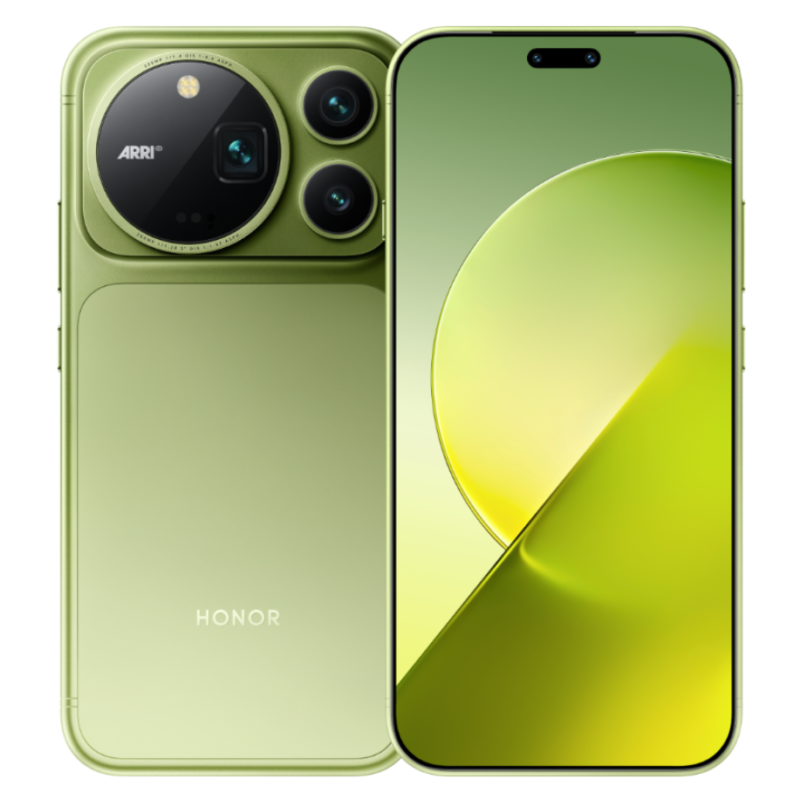
As soon as you turn the phone over, you want to say hello to the iPhone 17-18 Pro Max. Although the camera module here is different - the 3.5x optical zoom camera gives a kind of three-dimensional effect, and the ARRI logo loudly reminds you that it is definitely not a bad phone in your hands. The thing that most resembles the iPhone is the back under the cameras - even the radius of the rounded edges looks almost identical. And what can we say about the camera control button on the side, which in its functionality and control principle also resembles Apple's solution.
The build quality of both phones, compared to the iPhone 18 Pro, seemed very similar to me. Both seem to be assembled with really high quality, but even though I've been with the iPhone for a good decade, I have to admit that the HONOR Magic9 Pro Max is prettier to me. In turn, I just really wish the manufacturers had a few more original names. The color of the phone I'm testing is green, but it's not solid - it's lighter at the bottom, and darker at the top, near the camera module. It looks very subtle and aesthetic, so if this phone were mine, I definitely wouldn't buy a colored case for it.
Globalization
I must admit, this is only the second Android phone that has to be globalized, so my experience in this area is still quite poor. Nevertheless, in the case of HONOR, the process turned out to be quite simple, and there is certainly no shortage of instructions on how to do everything in the MagicOS system on YouTube. Basically, you just need to enable Google services and download the necessary apps. A little more attention needs to be paid to activating notifications and running apps in the background. One remaining inconvenience - after installing a new app, you have to change several settings to receive its notifications on time. Once you get the hang of it, it only takes about 30 seconds.
If you don't want to use the Chinese market-oriented artificial intelligence assistant YOYO Agent, you can replace it with Google Gemini, but you'll have to tinker a bit to get full functionality. This requires four additional apps: Shizuku, Hail, VISTrigger, and MiCTS. The first two allow you to grant the necessary system access and stop YOYO from working, while the other two enable searching by circling the desired area on the screen and calling Gemini chat with the AI button on the left side of the phone. During testing, stopping YOYO left me with only one feature - photo editing using AI. When trying to use it, an error message appears.
Good news for those who want to pay contactlessly - the Revolut card added to Google Wallet works. Android Auto also works, at least wired, because my car only supports this type of connection. I also tried eSIM - Telia Ežio's 4G plan worked flawlessly. However, I was unable to pair the OnePlus Watch 4 (Wear OS) with the watch. It seems that there may be compatibility issues with the Chinese version of the phone when using smartwatches for other markets.
The Magic9 Pro Max is Widevine L3 certified, which means that for high-definition video streaming, such as on the Netflix platform, this level of certification is usually not enough for HD quality. I tested GO3 and Telia Play - in both apps it was possible to select up to 1080p video quality, and when switching from 720p to 1080p, the difference is obvious. However, with HBO Max, the situation is somewhat different. This app does not have a video quality option, and the content displayed, judging by the video, does not resemble HD quality.
As for the Lithuanian language, I simply have no complaints. Often, models intended for the Chinese market leave untranslated text, but in this case HONOR pleasantly surprised. Practically the entire system menu is presented in Lithuanian, including even very specific messages in the video editing app. Only some search suggestions in the App Market or other pre-installed apps remain untranslated.
Screen
HONOR Magic9 Pro Max uses a 6.8-inch LTPO OLED screen with a 120 Hz refresh rate. Such parameters are already quite common in the flagship segment, so what is much more important is how the screen actually looks. And I have no complaints here - it is bright, the colors are beautiful and not too saturated, and watching 4K videos or series is really pleasant. The extremely thin screen borders also contribute to the good impression. True, although the screen brightness is certainly not lacking every day, due to the autumn weather and rare sunny days, I cannot say how it would look in direct sunlight.
Performance and everyday use
Magic9 Pro Max is a true flagship, so it's hard to expect bad results. Everything works super smoothly and there wasn't a single situation where the phone couldn't cope with my tasks or noticeably crashed. Even with more intensive use, it doesn't get too hot, so I have practically no complaints about everyday use. True, sometimes it seems like the screen is holding this beast on a leash. 120 Hz has already become an established standard, but when using it, I feel like the phone is simply constrained and wants more.
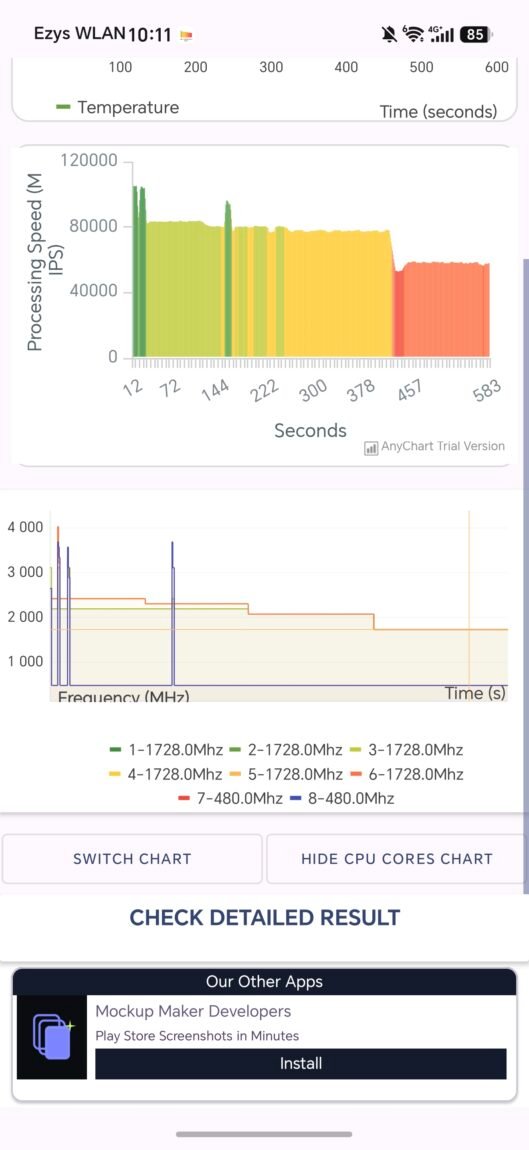
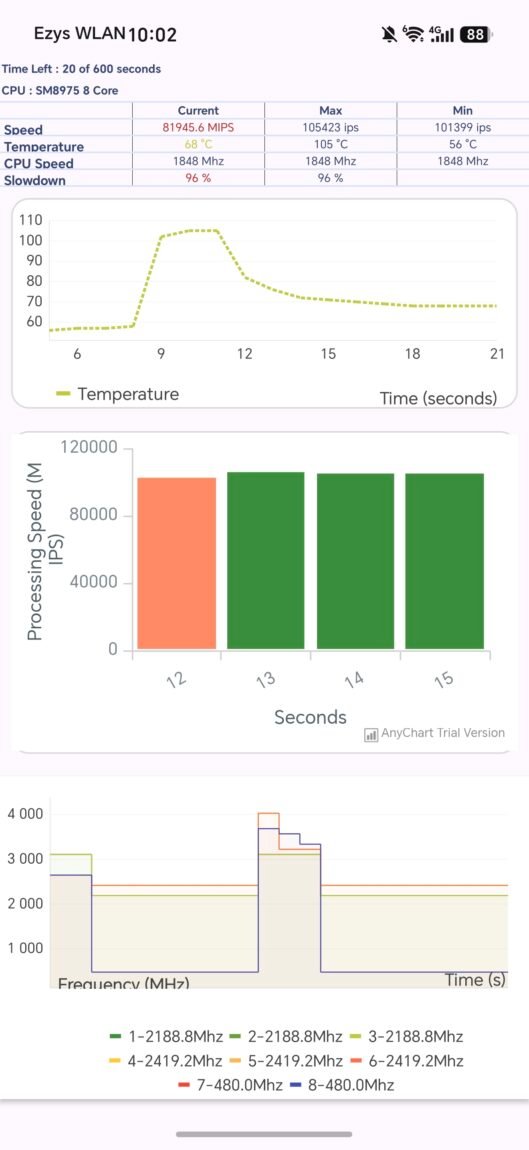
The situation is a bit different when gaming. After about 20 minutes, the phone starts to heat up noticeably, especially around the camera module, but at least during my tests, this did not have a noticeable impact on gaming performance. Synthetic tests show a slightly different picture - when the processor is loaded for a longer period of time, performance drops quite rapidly due to temperature. However, during daily use of the phone, I never felt that processes were paused or everything was not working as smoothly as it should.
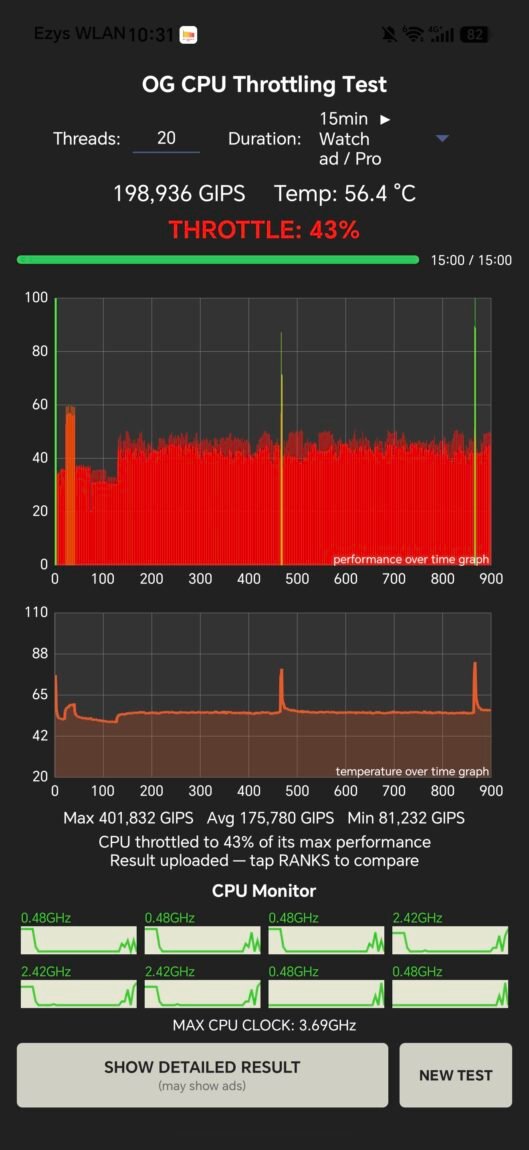
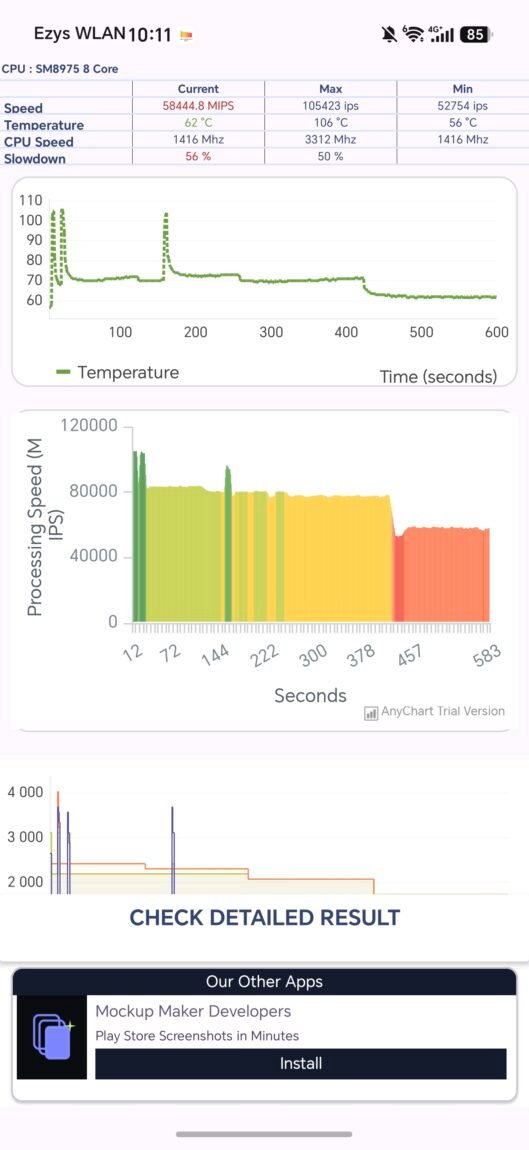
When it comes to unlocking, 3D facial recognition works well, but it's a bit lacking in the reliability of Apple's Face ID. Sometimes the phone simply doesn't recognize your face, although the next time everything works instantly. If we were to compare it to the iPhone, I would say that HONOR's solution is only a few percent less reliable. On the other hand, the ultrasonic fingerprint scanner works great - fast and accurate, so I have no complaints about the unlocking capabilities.
Photography
The HONOR Magic9 Pro Max camera system seems very capable at first glance, but my impression is quite mixed. Sometimes the photos really please with detail, colors and overall image, but the next time, when shooting in the same conditions and even with the same camera, the result can be much worse. In some places, the image looks natural and high-quality, in others, overly aggressive processing is noticeable, losing small details. What I missed most was consistency.
When shooting in low light or darkness, I feel like the phone doesn't always have an easy time dealing with complex light sources. Street lights, bright signs, or other light sources sometimes lose their contours, halos appear, and the tones and balance aren't always reproduced as I'd expect.
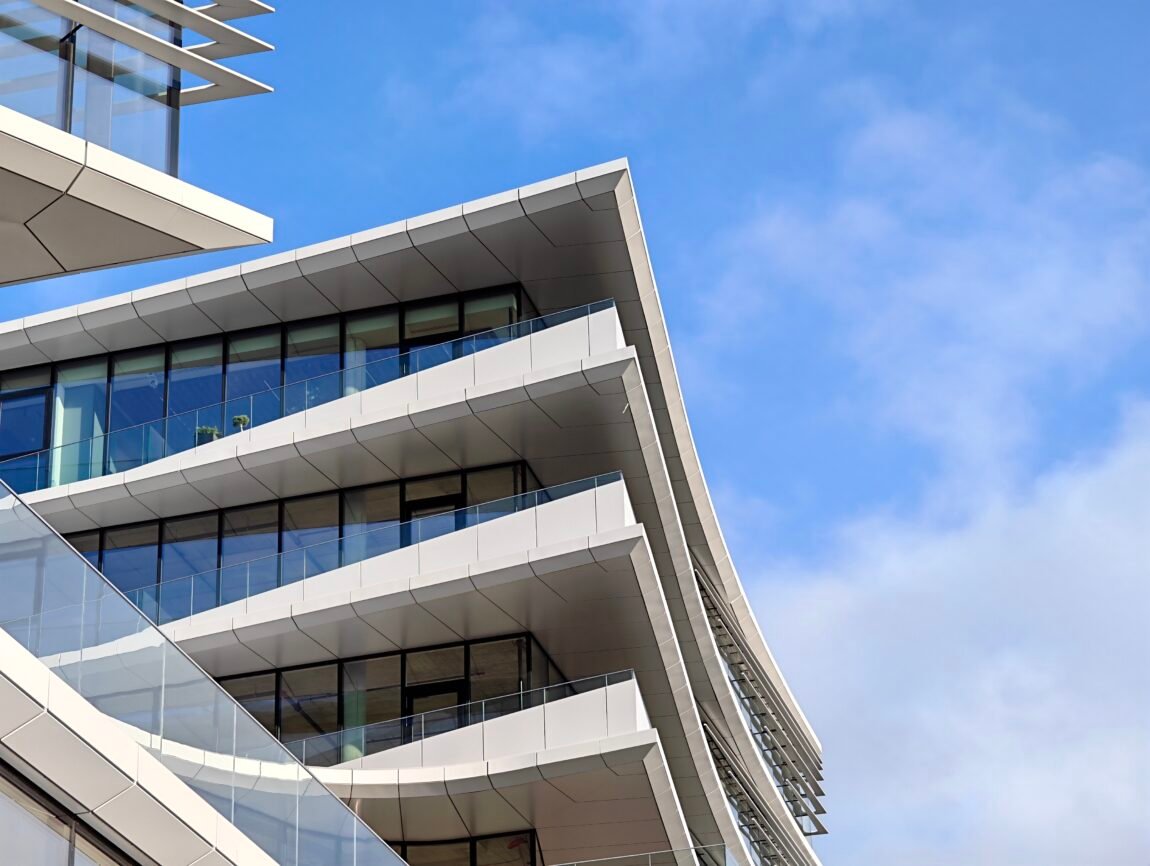



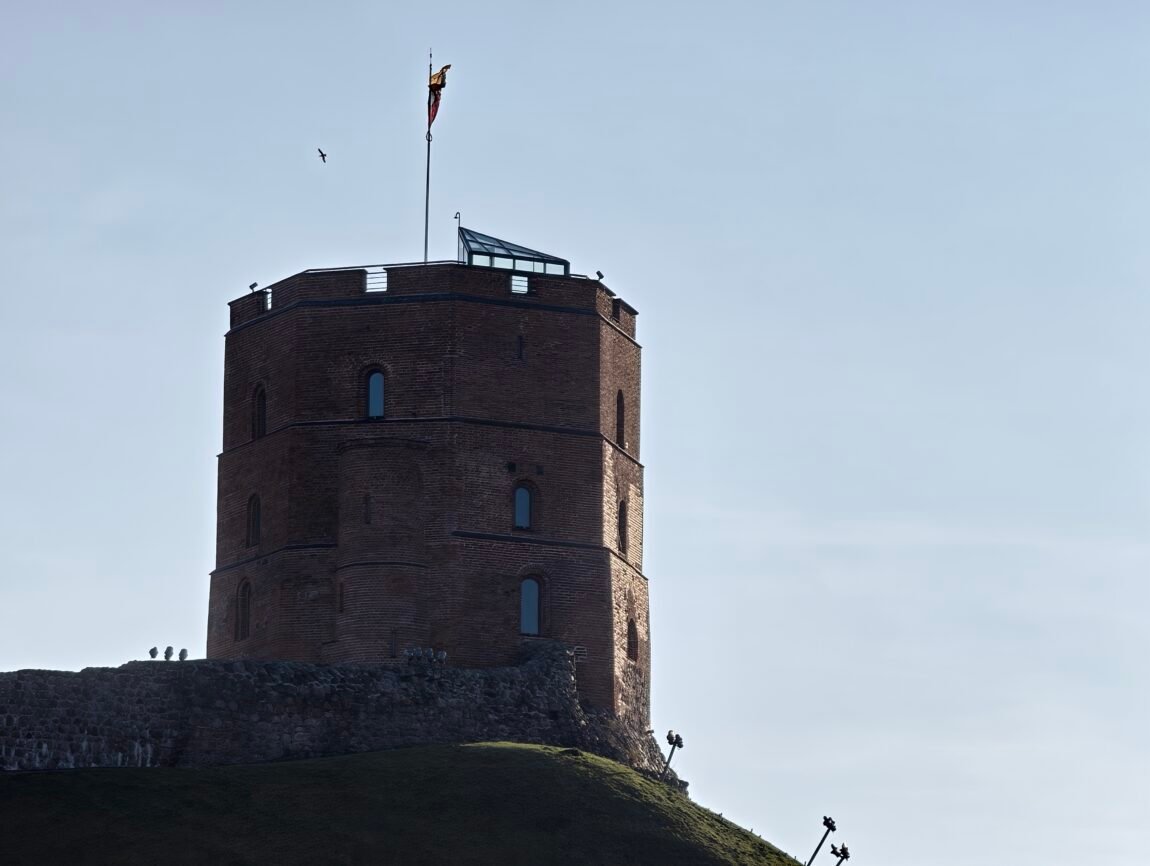

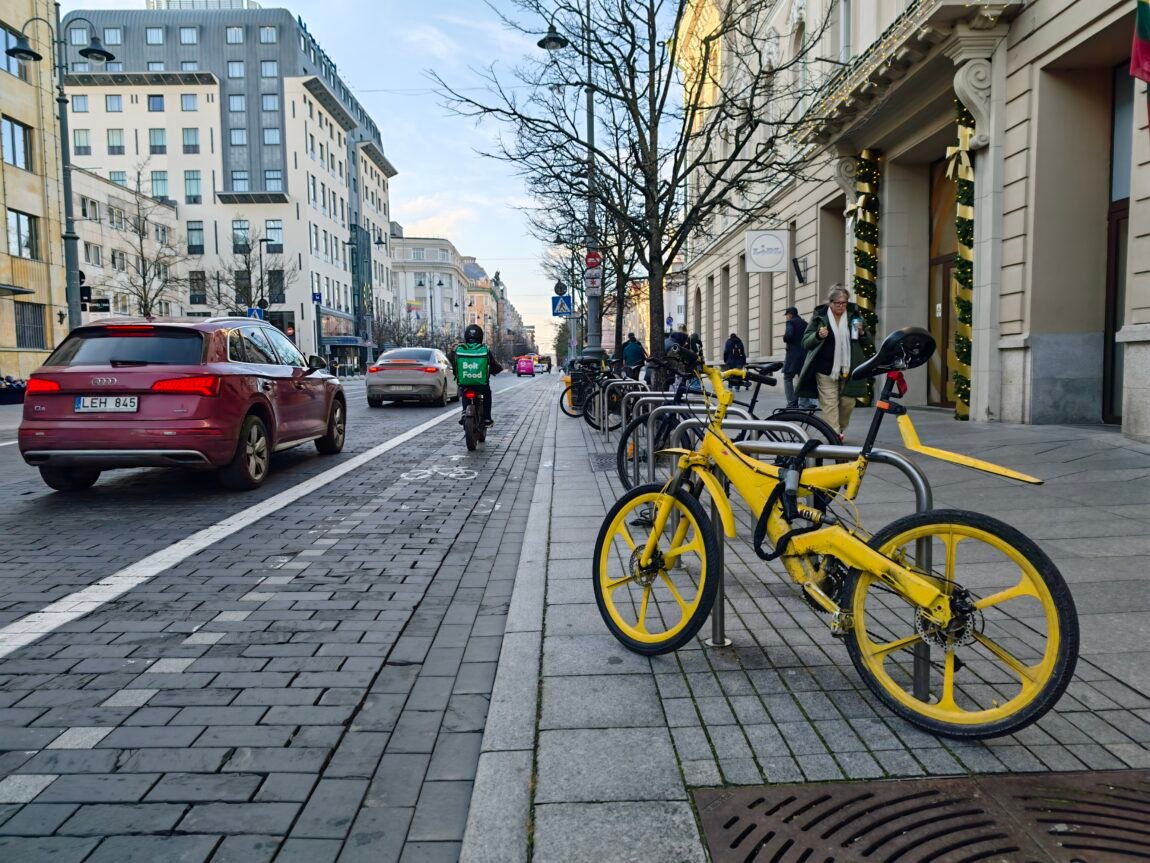




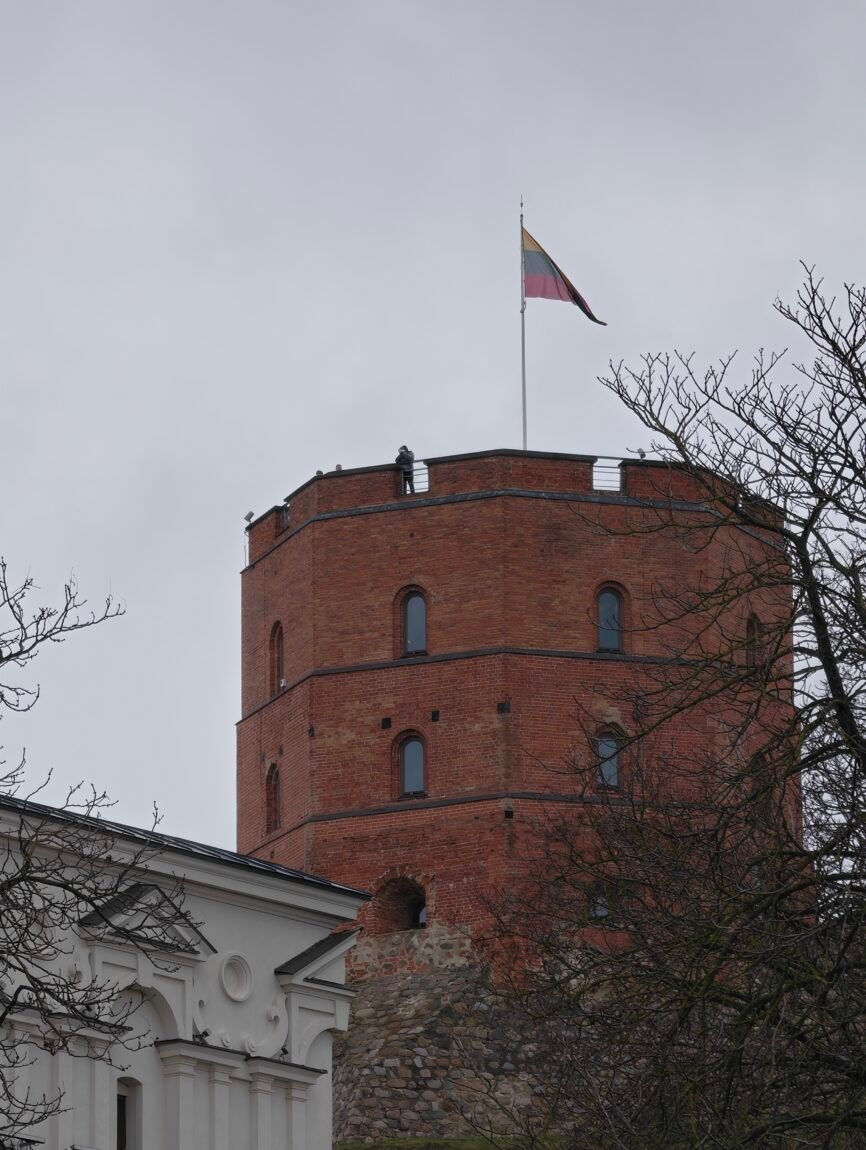


The regular shooting mode turned out to be quite poor. Although the camera's capabilities are extensive, the selection of settings here is small - I missed even simpler resolution and quality options. For more control, you can choose Pro mode, which already allows you to change ISO, white balance, exposure and shoot in RAW format. The difference between a regular photo and the highest quality jpeg is so insignificant that there is no need to switch to Pro mode for everyday photos.
Evaluating the cameras separately, I have practically no complaints about the main one - in 1x mode, the photos look really nice, there is no lack of detail, and the colors are usually reproduced nicely. The telephoto lens also left a good impression. I especially liked the natural-looking background blur when taking pictures from close up - portrait mode is not even necessary to get a beautiful result. The situation with the ultra-wide-angle camera is completely different. Its quality is noticeably worse, there is a lack of detail, and when switching from the main camera, the difference is quite obvious. Unfortunately, this is one of those places where many manufacturers still save money. The front camera is also not exceptional - it does not have autofocus, which I did not expect from a phone of this level.
Videos
The regular video recording mode is quite ordinary and boring, so let's move on to the ARRI CINEMA mode right away. True, every time you turn on this mode, the ARRI logo appears and you lose an important second before the start of filming. There is no way to turn this annoyance off. The mode itself is much more serious than the regular one - I also found zebra marking, false color display, manual focus with highlighting of the focused area or the ability to fully select the desired white balance. However, no matter how professional everything looks at first glance, a few things were missing.
There is no audio level indicator. This is especially strange, since there are so many audio recording modes here - standard, long-distance, close-up recording, voice amplification, etc. If such modes are offered, why was it chosen not to show the audio level? I would also like a histogram. I understand that the ARRI Alexa system does not use the latter, since the aforementioned zebra and false color settings are enough, but personally I sometimes find it convenient to see the brightness distribution of the entire frame. And why can't I use an ultra-wide-angle camera in this mode?
Although I can rave about the features, the final impression of the video is completely different. The stabilization is really good - there is minimal shaking when walking and filming, and the autofocus works quickly and accurately. What I liked most was the ability to shoot in LogC3 format and later extract much more information from the recording than I expected, especially from darker areas. Color correction is also not complicated, and for a faster result, you can choose ready-made ARRI LUTs. Their selection is quite wide - in addition to the profiles on the phone, you can download almost 90 official ARRI images.
However, when filming in LogC3 mode, I noticed that the 3.5x zoom camera loses a lot of detail. Perhaps this can be considered a compromise of the ARRI mode, but the difference in quality compared to the regular filming mode is simply too big. Nevertheless, I really liked the final image. It has a unique character, it looks a little more artistic and original than just a technically high-quality phone video. Here I even want to recall the previously mentioned partnership between OPPO and Hasselblad - just as in photography, not only detail or brightness is important, so in videos, a unique color rendition is important.
Critically, most of the uniqueness of this phone lies in the ARRI colors and LogC3 format. And while it gives a certain „retro vibe“ and uniqueness, it is a very specific solution for consumers. If this is what you are looking for, there is simply nothing like it on the market at the moment. However, if you intend to shoot in normal mode and not edit the recordings later, the quality here is not much different from other modern flagships.
Battery
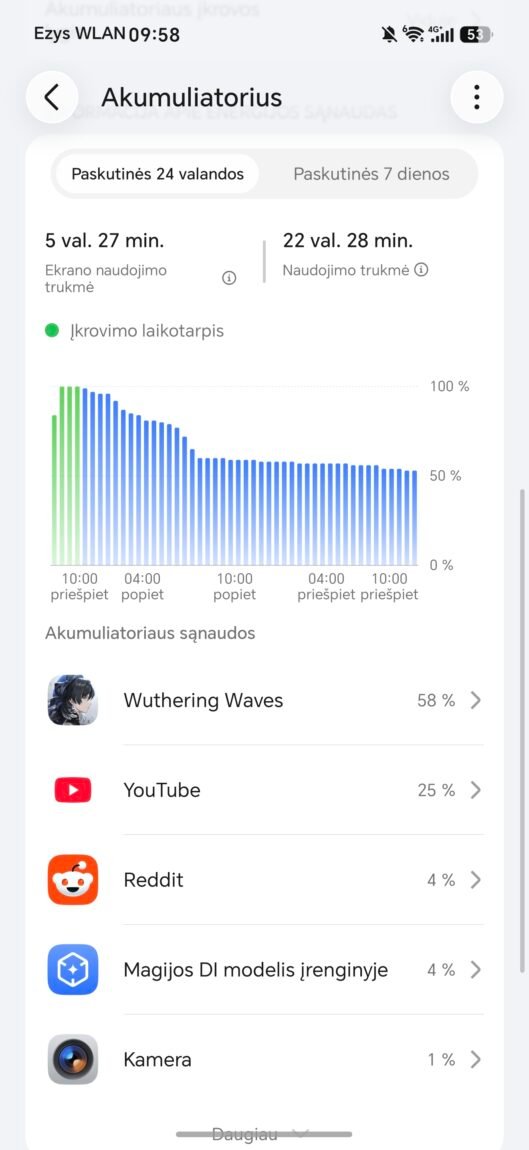
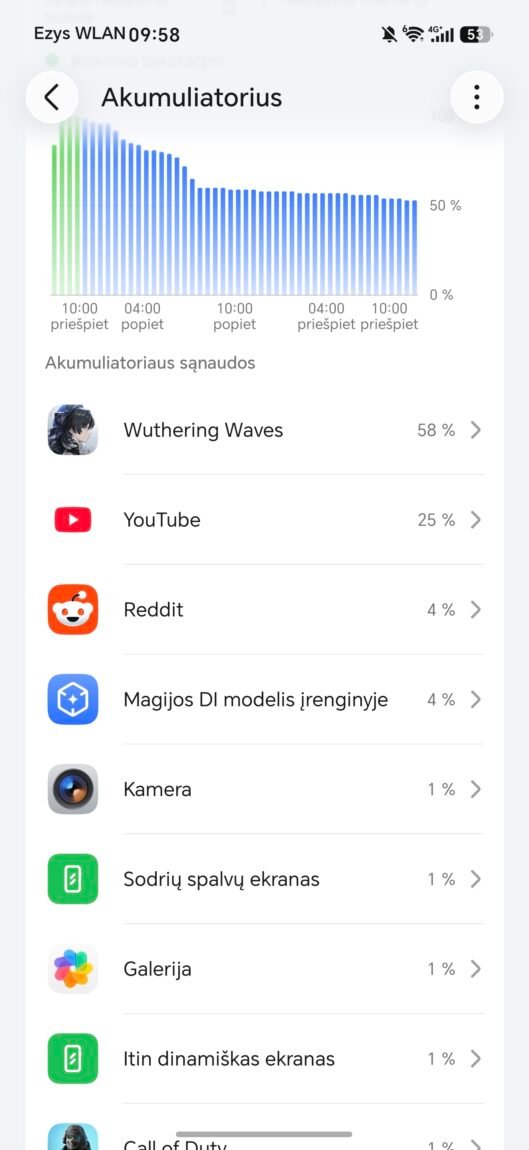
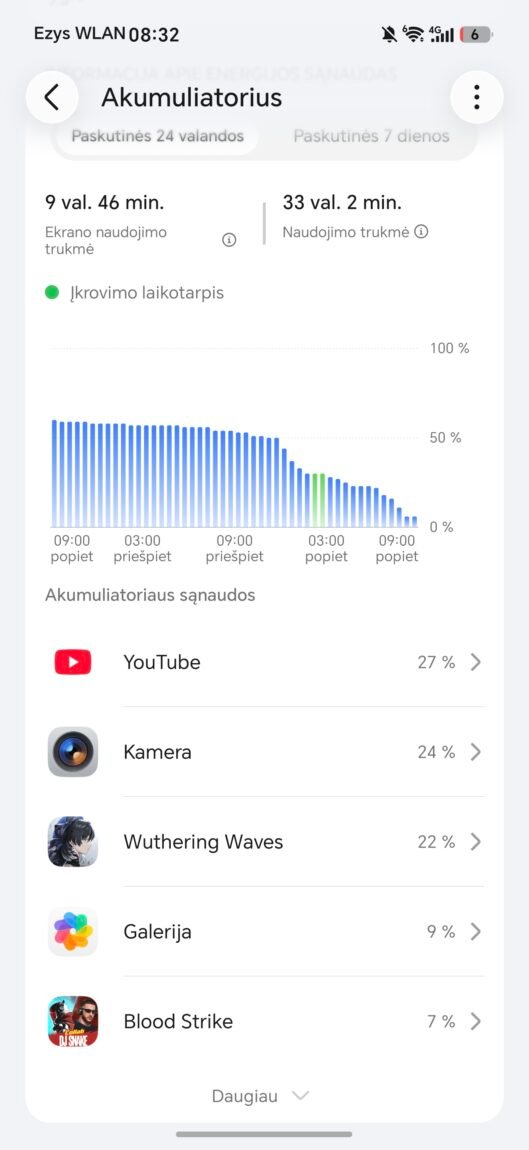
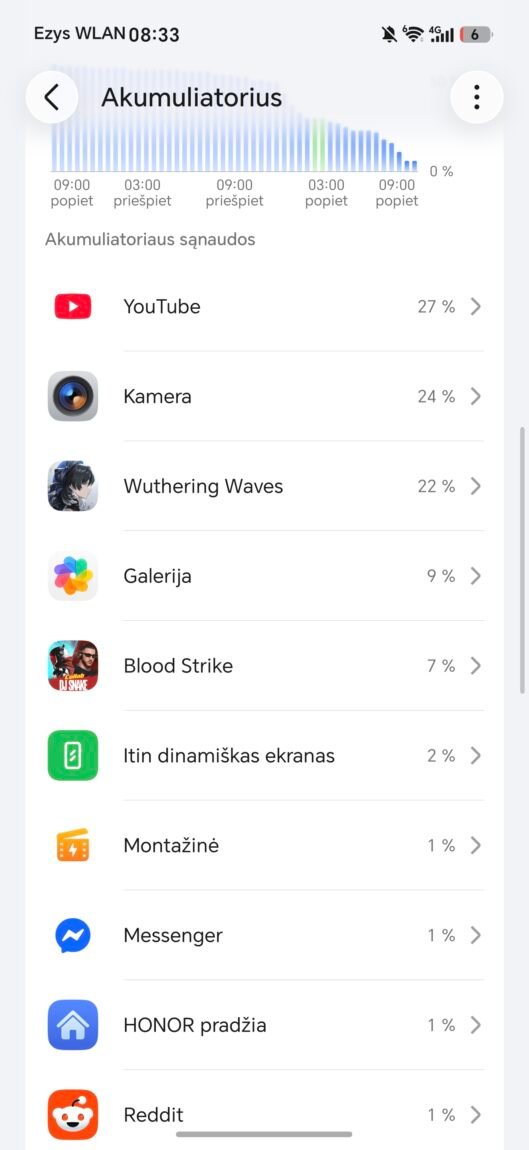
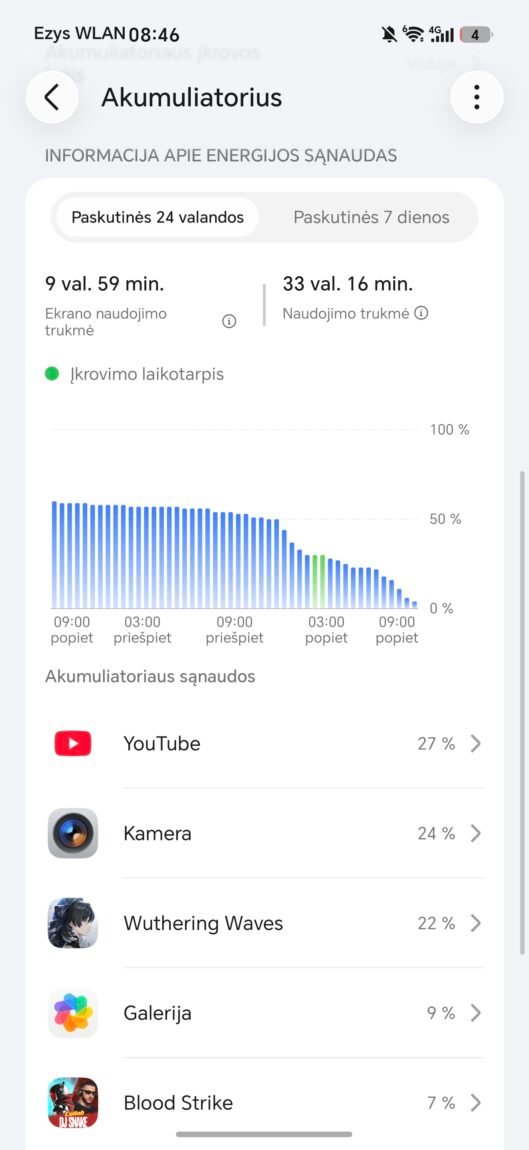
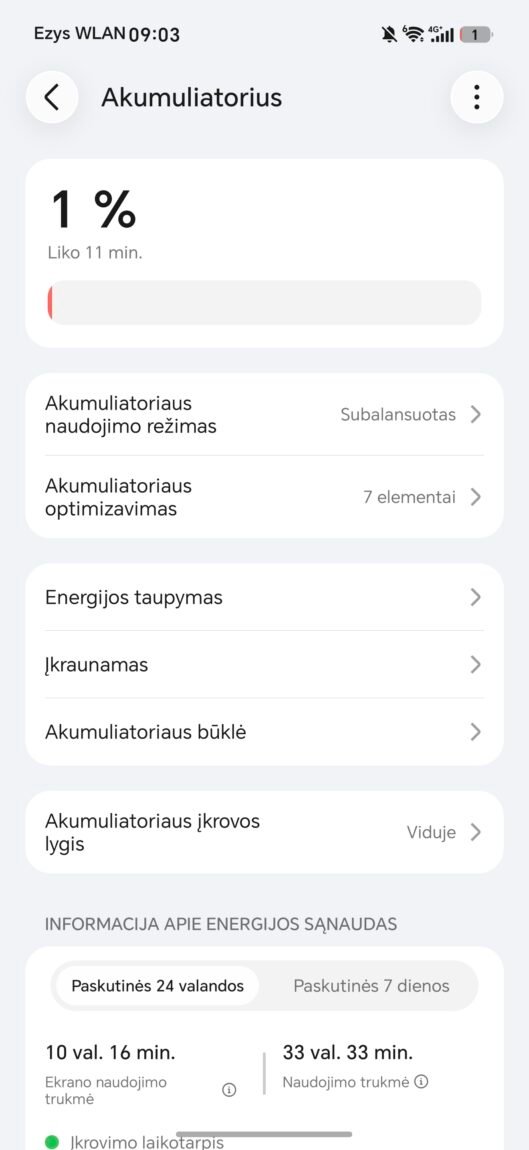
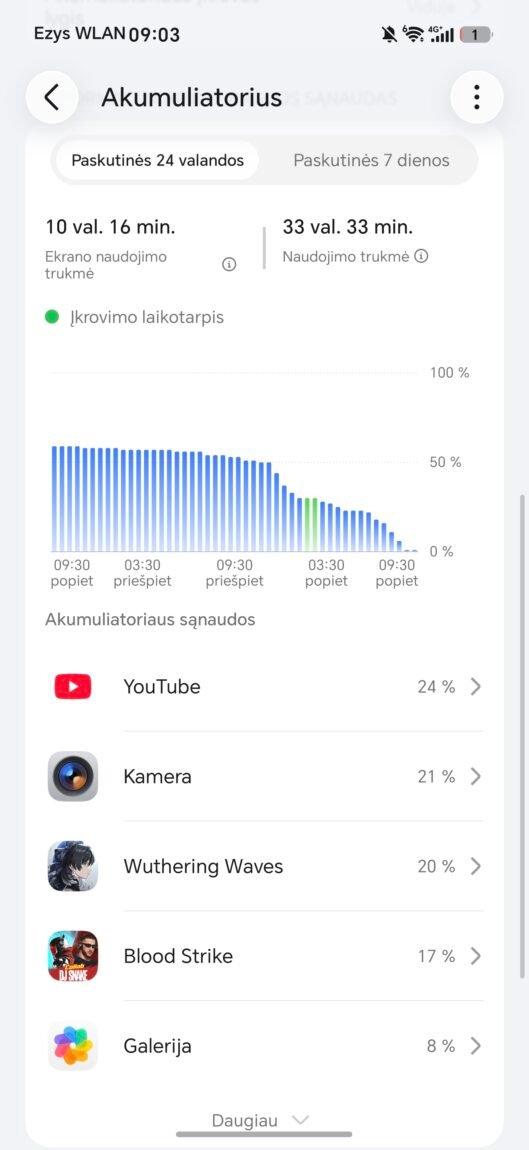
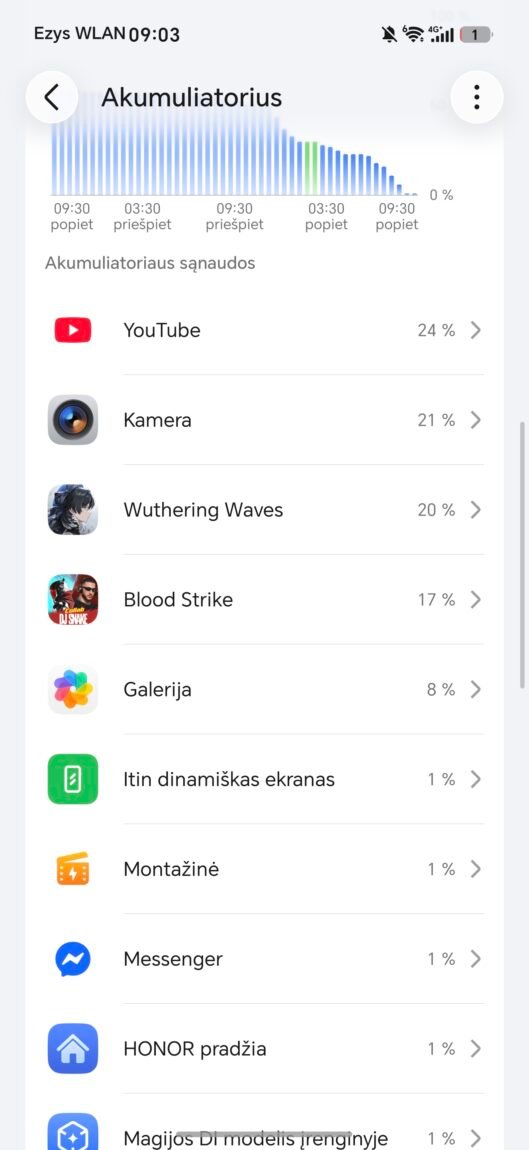
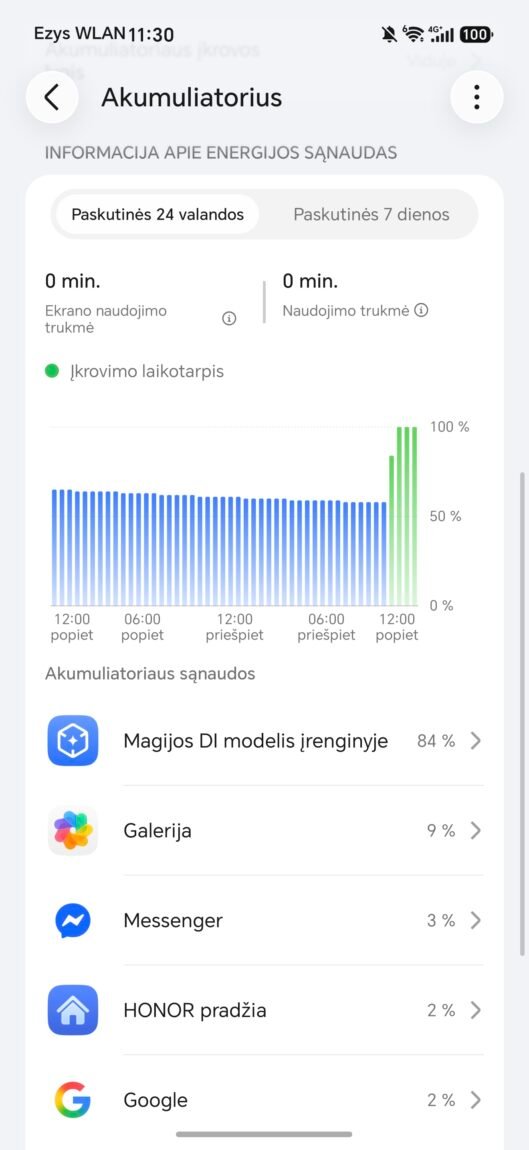
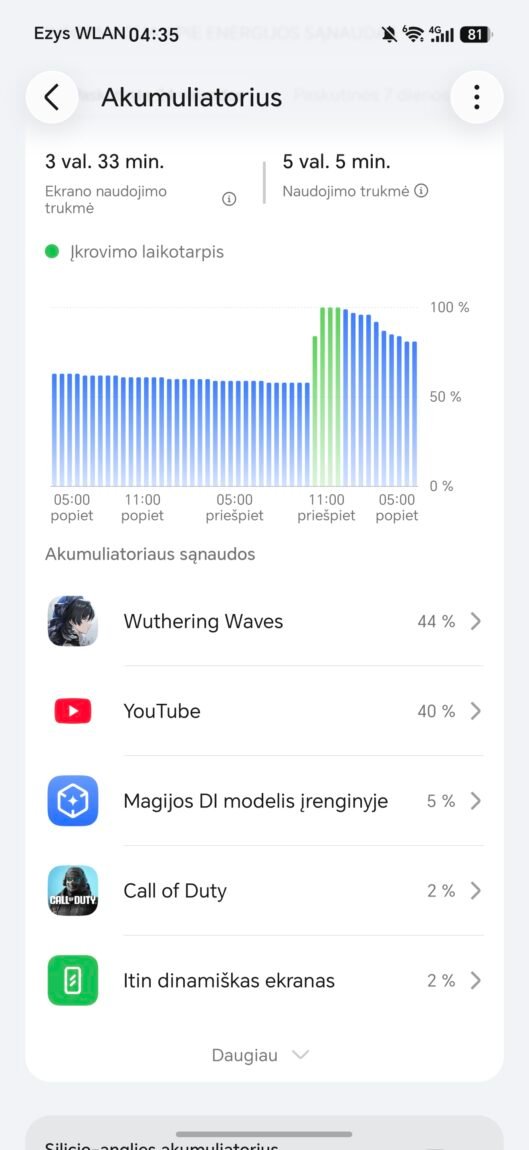
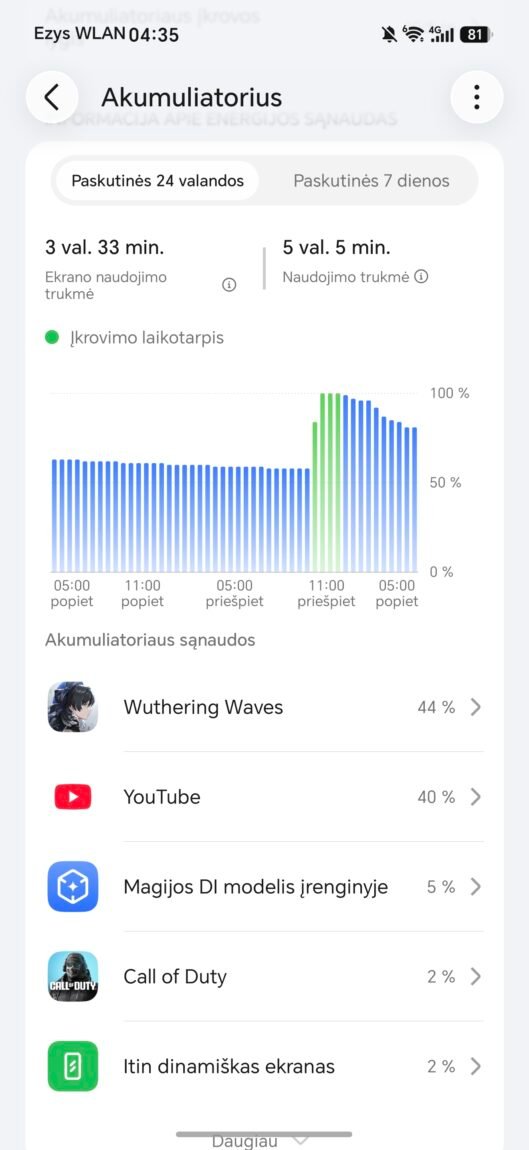
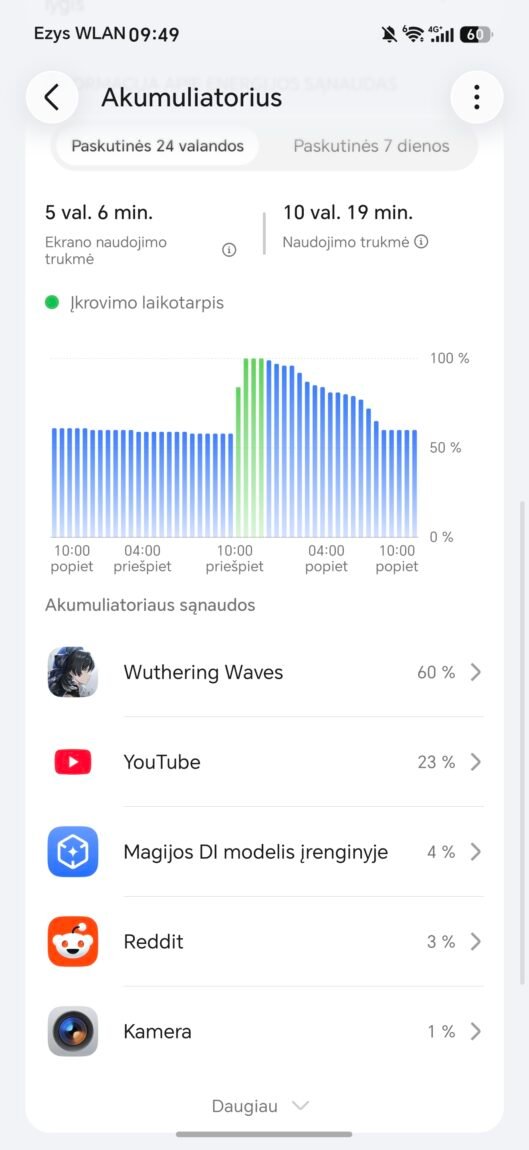
The version for the Chinese market has a larger capacity, 8800 mAh battery. During my test, the phone worked for 33 hours and 33 minutes - a coincidence, but really nice. During that time, the screen was on for 10 hours and 16 minutes. About 30 percent of the time I spent on demanding games, about 40 percent on YouTube, and about 20 percent on the camera and other apps. The phone can be safely called a two-day device, although in terms of endurance it is inferior to the POCO F9 Ultra.
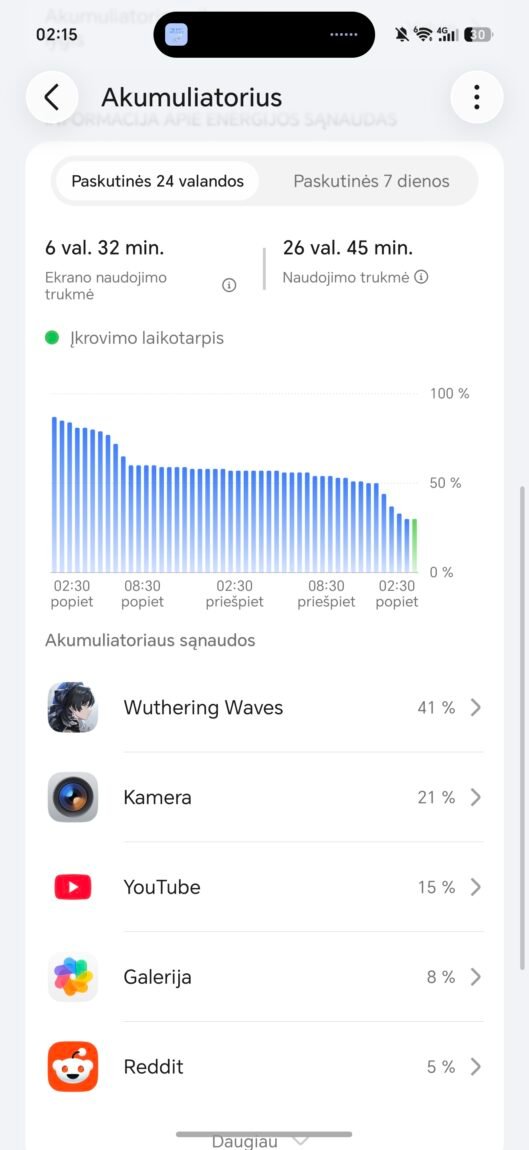
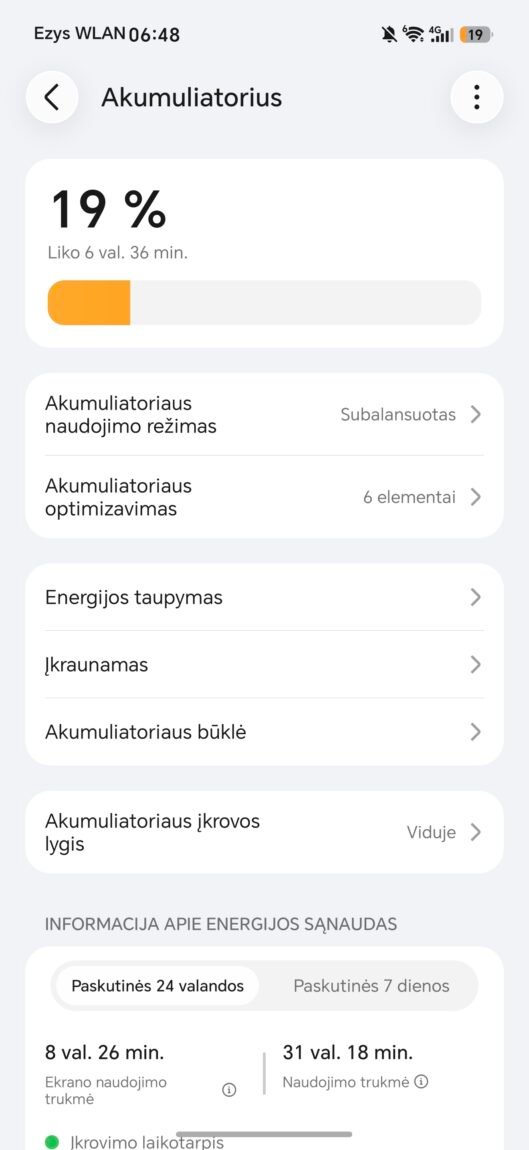
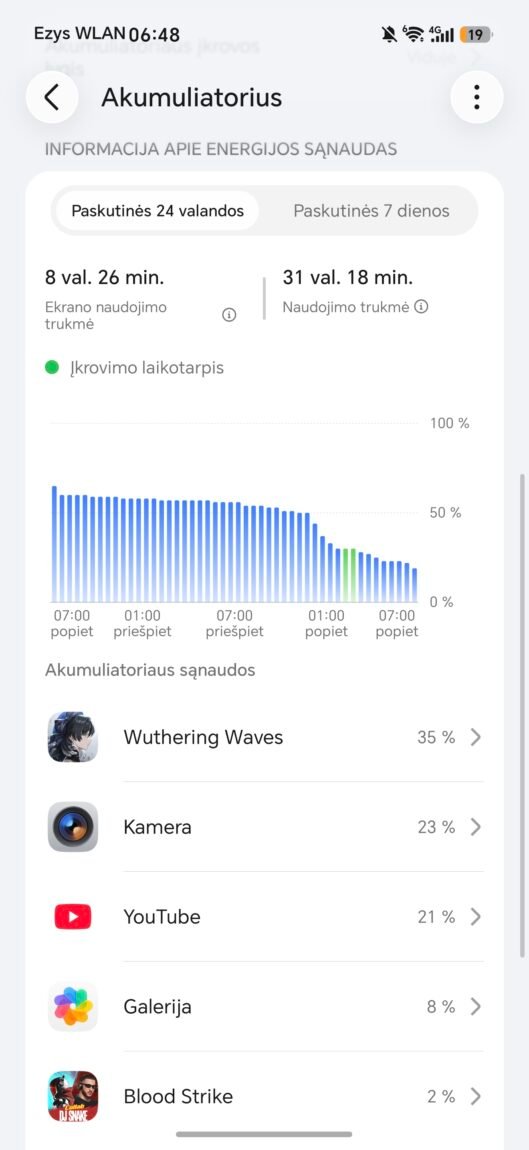
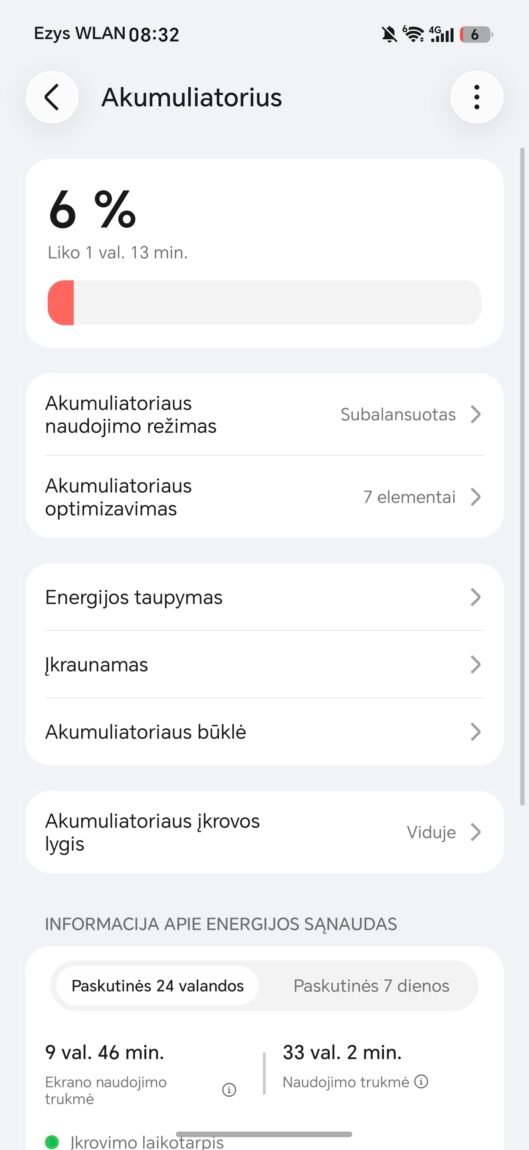
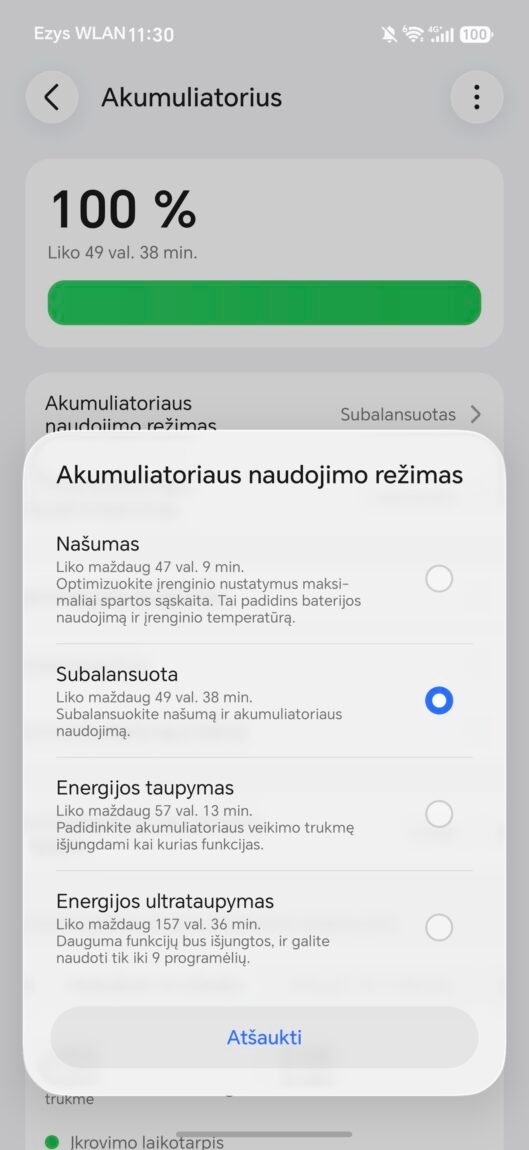
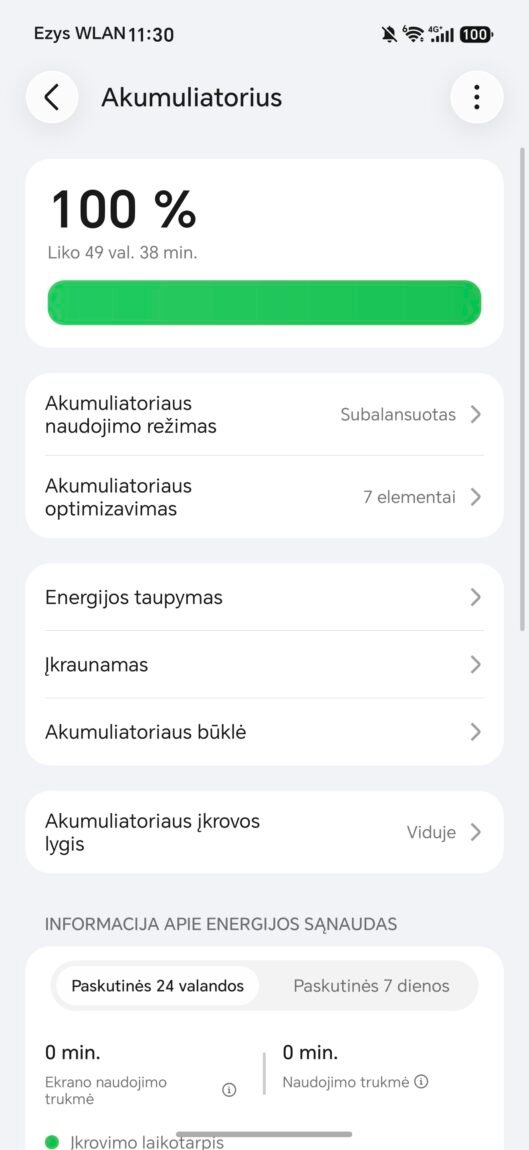
Charging didn't disappoint either. The phone charged to 80% in about 50 minutes, and a full charge took about 1 hour and 15 minutes. This is a really good result for a battery of this size.
Other observations
One unpleasant observation is the scratch resistance of the camera glass. I carried the phone in a case all the time, usually in a soft bag or pocket, never with keys or other metal objects. The phone had not been dropped, but scratches still appeared on the camera glass. After searching the Internet, I found isolated reports from other users about a similar problem, but this does not mean that it is typical for all phones of this model - perhaps these are just isolated cases or coincidences. So you should not worry too much about it, but personal experience still made me question the resistance of the camera glass.
Verdict
The HONOR Magic9 Pro Max is a good flagship, but in everyday use it doesn't stand out much from other premium phones. The screen is great, the performance is there, the battery can reliably withstand a very intense day, and the main and telephoto cameras can delight with beautiful shots. However, the photos were disappointing - not so much because of one specific flaw, but because of uneven results and sometimes overly aggressive image processing. The ultra-wide-angle and front-facing cameras also did not leave much of an impression.
However, if you are looking for a phone that allows you to create videos with a unique character, ARRI CINEMA mode is a good reason to pay attention to this model. For me, this is the biggest highlight of the HONOR Magic9 Pro Max. Although it did not surprise me much as an everyday phone, the ability to create videos of this character left an impression that I think will last much longer than the usual advantages of a flagship.